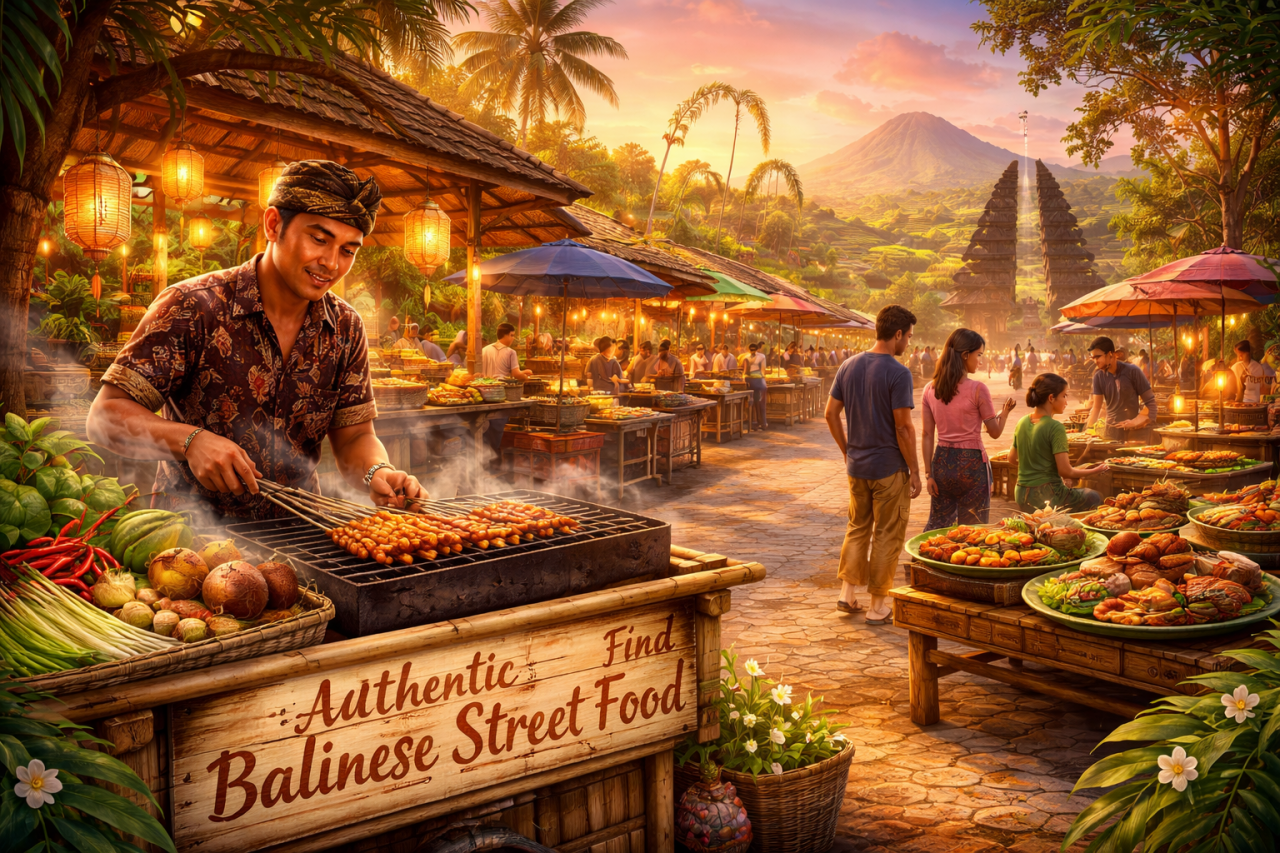
Bali greets you like a warm, fragrant breeze—coconut smoke, turmeric, and a chorus of sizzling woks. For me, the island’s soul sits in its street stalls: tiny altars of flavor where spice, smoke and laughter meet. This guide walks you through the best spots to eat like a local, with practical tips, sensory detail and a little wanderer’s mischief.
Why Balinese street food matters
Street food in Bali is more than cheap eats; it’s a living cultural exchange. Vendors often cook recipes carried through families for generations, blending indigenous ingredients with influences from Java, China, India and the wider archipelago. Each plate tells a story—of harvests, temple festivals and neighbourhood gossip.
Taste-wise, expect layers: sweet palm sugar, tangy tamarind, bright kaffir lime, and an undercurrent of coconut. Texturally, Bali loves contrast—sticky rice, crunchy shallots, tender meat and crackling skin.
Where to start: Ubud’s flavors and spiritual vibe
Ubud is a sensory overload in the best way: rice terraces, art shops, and markets that smell of fried banana and incense. The street food scene here is intimate and experimental.
- Ubud Traditional Art Market (Pasar Seni Ubud)
- A classic place to try bubur injin (black rice porridge) and freshly made jaja (Balinese sweets).
- You can search for it on Google Maps by typing: Pasar Seni Ubud
-
Tip: Go early for the freshest steamed snacks and to watch vendors set up offerings for the day’s rituals.
-
Jalan Monkey Forest and surrounding alleys
- These lanes hide warungs and carts selling nasi campur (mixed rice plates) and sate lilit (minced fish satay wrapped around lemongrass).
- Search Google Maps: Jalan Monkey Forest, Ubud
-
Try: A small warung serving spicy sambal matah—its raw shallot and lemongrass crunch will wake you up faster than coffee.
-
Ubud Night Market (Pasar Malam Ubud)
- Morenoften a late-night haven for nasi jinggo and local grilled skewers.
- You can search for it on Google Maps by typing: Ubud Night Market
- Tip: Bring cash; small vendors rarely accept cards.
Seminyak and Kerobokan: modern twists on tradition
Seminyak flirts with high-end dining, but if you know where to look, street-level authenticity pops up between boutique shops.
- Jalan Kayu Aya (Eat Street), Seminyak
- While famous for cafes, the side alleys host humble carts selling pisang goreng (fried bananas) and mie goreng (fried noodles).
- Search Google Maps: Jalan Kayu Aya, Seminyak
-
Pro tip: Walk a block in from the main strip to find cheaper, more authentic options.
-
Kerobokan markets
- Known for late-night grilled fish and local seafood stalls—simple, fragrant and charcoal-kissed.
- You can search for it on Google Maps by typing: Kerobokan Market
- Ask vendors what’s fresh that day; they’ll proudly point out the catch.
Canggu: surf culture and creative street eats
Canggu’s lanes hum with boards, scooters and inventive small-scale vendors. Here, Balinese staples get playful toppings and hip presentations.
- Berawa and Batu Bolong Road stalls
- Street carts here offer everything from traditional bakso (meatball soup) to creative renditions of nasi goreng topped with crispy shallots and a runny egg.
- Search Google Maps: Batu Bolong Road, Canggu
-
Try: Ankle-deep plates of nasi campur after sunset, eaten on a plastic stool while surfers trade wave stories.
-
Canggu Night Market (Pasar Malam)
- A seasonal and community-driven market often featuring regional specialties and desserts.
- You can search for it on Google Maps by typing: Canggu Night Market
- Note: Times and locations shift—ask a local or check community pages for tonight’s spot.
Sanur and Denpasar: traditional tastes and family recipes
East Bali’s calmer beaches mean more family-run stalls and classic recipes that feel like a warm hug.
- Sanur Night Market (Pasar Malam Sindu)
- A must for lawar (traditional minced meat/vegetable salad with coconut) and ikan bakar (grilled fish).
- You can search for it on Google Maps by typing: Pasar Malam Sindu, Sanur
-
Tip: Try small plates from several stalls to compare styles and spice levels.
-
Denpasar Pasar Badung and Pasar Kumbasari
- These big traditional markets are food-immersive. Expect raw ingredients, spice merchants and cooked-food counters selling lontong balap and traditional soups.
- Search Google Maps: Pasar Badung, Denpasar and Pasar Kumbasari, Denpasar
- Note: Early morning is best for lively scenes and fresh produce.
Jimbaran and the southern coast: seafood at sunset
For the most cinematic street-food experience, head to Jimbaran Beach where charcoal grills steam up the shoreline as the sun dips.
- Jimbaran Beach seafood stalls and warungs
- Choose your fish, point to the clams or prawns, and watch it be grilled with garlic butter or spicy sambal.
- You can search for it on Google Maps by typing: Jimbaran Beach
- Tip: It’s touristy but still authentic in technique—negotiate prices and ask for sambal on the side if you like heat.
Lesser-known gems: village stalls and roadside treasures
Sometimes the best bites are not on any “top 10” list. They are in lanes where scooters slow, children chase each other and a single vendor serves a family recipe.
- Warung Ibu Oka (for babi guling, Suckling Pig)
- If you want to try the famous Balinese roast, search Google Maps: Warung Ibu Oka (Ubud) and be prepared for lines.
-
Cultural note: Babi guling is a celebratory dish; ask about availability and portions.
-
Local roadside bakso and ayam betutu sellers
- Bakso (meatball soup) vendors often set up in the evenings; ayam betutu (slow-cooked spiced chicken) appears at markets and special stalls.
- You can search for these by typing: bakso stall [town name] or ayam betutu stall [town name] in Google Maps
- Tip: Follow the crowds—locals know the best bakso.
What to eat: signature dishes to hunt down
- Nasi Campur: A customizable plate of rice with little samplers of meats, vegetables and sambal.
- Babi Guling: Balinese roast pork, often served at ceremonies but available at select warungs.
- Sate Lilit: Spiced minced meat or fish wrapped around lemongrass sticks and grilled.
- Lawar: A spiced mix of vegetables, coconut and sometimes meat—textural and aromatic.
- Nasi Jinggo: A small, foil-wrapped rice packet with sambal and tiny side dishes—perfect for snacking.
- Pisang Goreng and Jaja Bali: Local sweets and fried bananas, ideal for dessert or a midday sugar boost.
Safety, etiquette and smart eating tips
- Hygiene: Choose stalls with a steady turnover. Hot food served piping hot is a good sign.
- Markets: Bring small bills and coins. Plastic stools, plastic plates, and a lot of charm are standard.
- Spice tolerance: Ask for “tidak pedas” (not spicy) or “kurang pedas” (less spicy) if you’re sensitive.
- Temple seasons: Some dishes, like babi guling, can be tied to rituals—ask before ordering during major temple events.
- Environmental note: Carry a reusable utensil set and decline single-use plastic when possible.
How to explore like a pro
- Walk the markets at dawn and dusk—mornings for raw ingredients and breakfast dishes; evenings for grilled seafood and skewers.
- Follow locals: scooters often stop where food is genuinely good.
- Take small portions from several stalls to build a comparative tasting plate.
- Bring cash and an adventurous palate. Smile, accept a sample, and barter gently for portions.
Final flavour memory
Bali’s street food is a mosaic: a temple offering here, a grandmother’s recipe there, a surf crowd adding a modern twist. Whether you’re sitting on a plastic stool in Denpasar or watching the sunset over Jimbaran with chili on your lip, the best bites are those that surprise you—tiny explosions of history, culture and heat. Pack loose trousers, a brave appetite, and leave room in your schedule for detours; Bali’s most memorable meals are found between plans.
Safe travels and happy tasting—each plate is an invitation to slow down, savor and connect.

Comments (0)
There are no comments here yet, you can be the first!