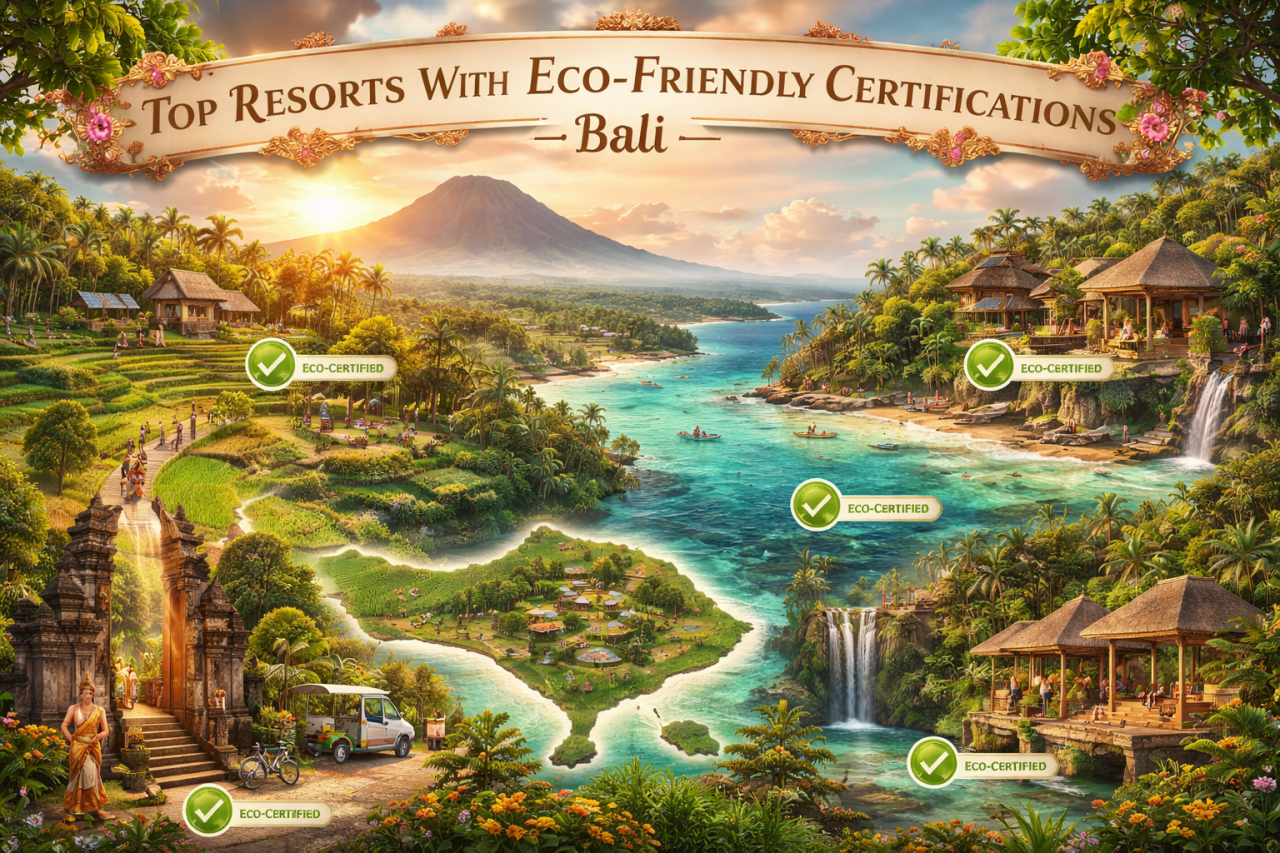
Bali is a mosaic of emerald rice terraces, smoky volcanic horizons, and turquoise coves where time seems to soften. In the way Radomir writes—warm, precise, and quietly reverent—this island’s resorts are not merely places to sleep; they are careful gestures toward living more gently on the Earth. Below are resorts on Bali that have embraced eco-friendly certifications or comprehensive sustainability programs, each paired with the kind of sensory detail that nudges a traveler from spectator to participant.
Why eco-certified resorts matter in Bali
Choosing an eco-certified resort is more than a badge of pride; it channels tourism’s energy into conservation, community livelihood, and cultural preservation. These resorts usually measure water and energy usage, manage waste thoughtfully, support local suppliers, and often invest in community education. On an island where daily life and sacred landscapes are tightly woven, such practices help preserve the fragile equilibrium between people and place.
How certifications differ
Eco-certifications vary: some are international standards like EarthCheck or Green Globe; others are regionally driven, such as Indonesia’s own sustainability initiatives. Certification can cover a range of practices from energy efficiency and renewable energy use to protecting coral reefs and supporting local artisans. When reading a resort’s sustainability claims, look for transparency in measurable goals.
Alila Villas Uluwatu — cliffside stewardship and low-impact design
Alila Villas Uluwatu sits on limestone clifftops with dramatic views over the Indian Ocean. The design language favors local stone and timber, and the resort is known for integrating energy-efficient systems and water conservation measures into guest experiences.
- Location tip: You can search for it on Google Maps by typing: Alila Villas Uluwatu
- What to expect: sweeping ocean vistas, private plunge pools, programs that educate guests about indigenous flora and fauna.
- Why it stands out: thoughtful architecture that minimizes visual and ecological impact while supporting local craftsmen.
Four Seasons Resort Bali at Sayan — river valley regeneration
Nestled among the Ayung River jungle near Ubud, Four Seasons Resort Bali at Sayan practices conservation through reforestation and community engagement. Its gardens and rice-terraced surroundings have been subject to stewardship programs that aim to protect biodiversity and traditional agriculture.
- Location tip: You can search for it on Google Maps by typing: Four Seasons Resort Bali at Sayan
- What to expect: a lodge-like serenity, guided river walks, and cultural experiences connecting guests to local farming and crafts.
- Why it stands out: emphasis on cultural preservation and supporting the surrounding communities.
COMO Shambhala Estate — healing ecology and regenerative gardens
COMO Shambhala Estate, also near Ubud, frames wellness within a regenerative ethos. Its gardens produce much of the food served on property, and permaculture principles guide landscape management, creating habitats for pollinators and birds.
- Location tip: You can search for it on Google Maps by typing: COMO Shambhala Estate
- What to expect: holistic spa therapies, nutrient-dense menus grown on-site, and programs that teach sustainability through practice.
- Why it stands out: a living laboratory of food, health, and regenerative gardening practices.
Viceroy Bali — sustainable luxury in the valley of Ubud
High above the Petanu River gorge, Viceroy Bali blends discreet luxury with local conservation initiatives. The resort supports community projects and has adopted guest-facing sustainability measures to reduce waste and energy consumption without compromising comfort.
- Location tip: You can search for it on Google Maps by typing: Viceroy Bali
- What to expect: intimate suites with private pools, curated cultural activities, and a focus on preserving the surrounding rainforest.
- Why it stands out: small-scale luxury with intentional investment in local programs.
Bambu Indah — bamboo architecture and community regeneration
Bambu Indah is a boutique eco-resort near Ubud celebrated for its reclaimed teak and bamboo structures. The resort practices eco-building techniques and supports local artisans, creating a distinctive, low-impact aesthetic that feels both ancient and urgent.
- Location tip: You can search for it on Google Maps by typing: Bambu Indah
- What to expect: handcrafted houses, immersive workshops on traditional building methods, and an ethos of repair and reuse.
- Why it stands out: architecture as activism—every beam and weaving tells a story of conservation.
Menjangan Dynasty Resort / Conservation-minded stays in West Bali National Park
While large integrated resorts on the remote northwest of Bali are rarer, small lodges and conservation-minded accommodations near West Bali National Park work closely with marine and terrestrial conservation bodies. These properties often support coral rehabilitation and community-based tourism with real conservation outcomes.
- Location tip: You can search for West Bali National Park on Google Maps by typing: West Bali National Park
- What to expect: world-class snorkeling and diving, guided nature treks, and community-driven conservation programs.
- Why it stands out: direct access to protected ecosystems and opportunities to support regenerative tourism.
Sustainable practices to look for when booking
Even if a resort lacks formal certification, these practices indicate genuine commitment:
- Renewable energy: solar panels, efficient lighting, and energy-monitoring systems.
- Water stewardship: rainwater harvesting, greywater recycling, and low-flow fixtures.
- Waste management: rigorous recycling, composting, and elimination of single-use plastics.
- Local sourcing: on-site organic gardens, fair procurement from local farmers and fishermen.
- Community engagement: employment, training programs, and cultural preservation initiatives.
- Habitat protection: coral and reef programs, native planting, and erosion control.
How to experience these resorts responsibly
When you visit, small choices ripple outward. Walk softly along sacred sites and beaches, bring a reusable water bottle and bag, partake in community-led tours rather than extractive activities, and support local art markets. Respectful curiosity—asking how the resort supports its staff and the local economy—helps sustain positive models of tourism.
Nearby places of interest (search tips)
These sites often complement stays at eco-resorts and are worth visiting with a mindful heart:
- Uluwatu Temple — You can search for it on Google Maps by typing: Pura Luhur Uluwatu
- Tegallalang Rice Terrace — You can search for it on Google Maps by typing: Tegallalang Rice Terrace
- Sacred Monkey Forest Sanctuary — You can search for it on Google Maps by typing: Sacred Monkey Forest Sanctuary (Mandala Wisata Wenara Wana)
- Kuta Beach — You can search for it on Google Maps by typing: Kuta Beach
- West Bali National Park — You can search for it on Google Maps by typing: West Bali National Park
These places brim with the kind of quiet stories that stay with you long after the plane’s wheels leave the tarmac.
Final reflections: travel as stewardship
Radomir might say that in Montenegro, the sea keeps its own memory of the people who lived beside it; in Bali, the rice terraces, reef, and temple stones hold a similar archive. Choosing eco-certified resorts is a way to read and contribute to that archive with humility. Travel that tends to the land and honors the people who sustain it becomes an act of gratitude, and Bali—always generous—returns that gratitude in the form of luminous dawns, fragrant evenings, and a sense of being exactly where you were meant to learn.
Safe travels, and may your footprints be light and your memories bright.

Comments (0)
There are no comments here yet, you can be the first!