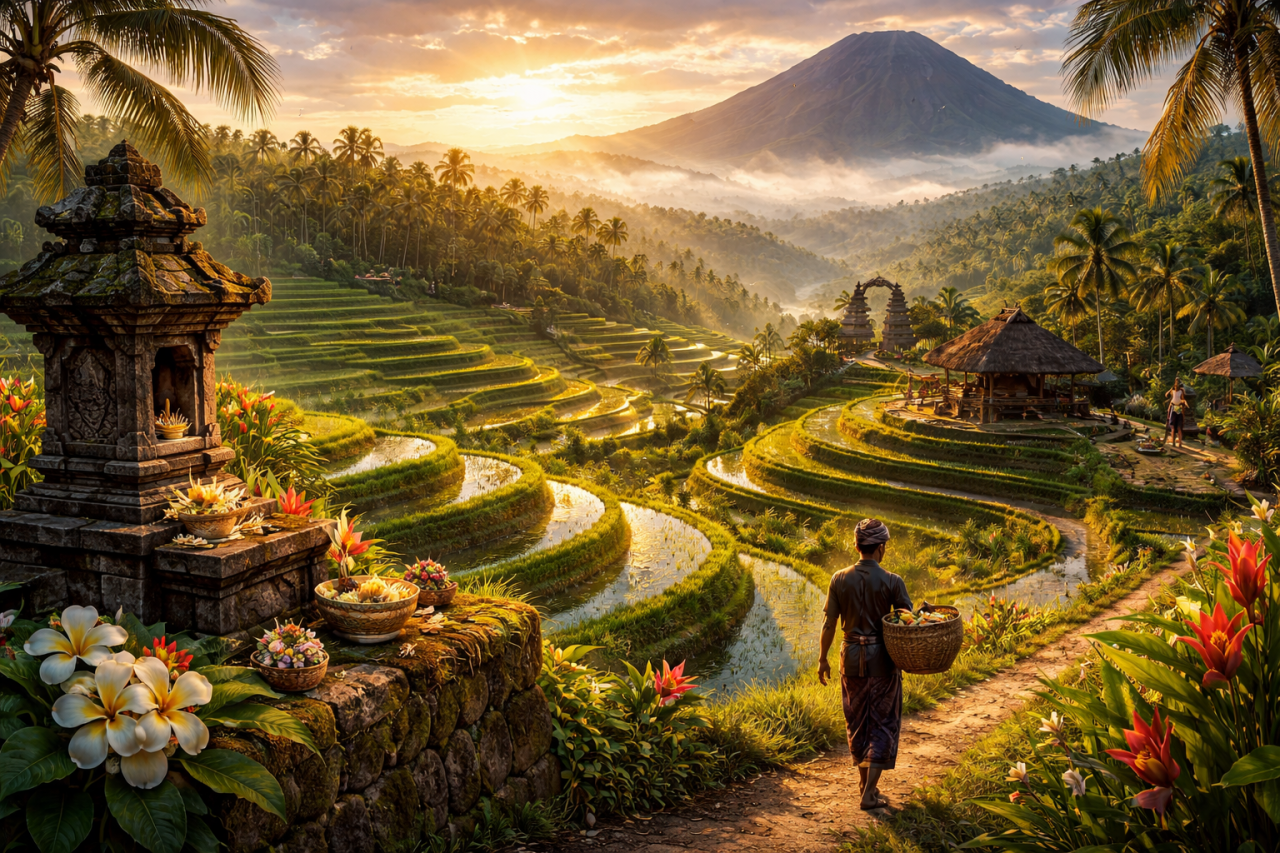
Bali’s rice fields are more than agricultural plots; they are living art. Lush terraces ripple down emerald hillsides, temples perch like guardians, and farmers move with a rhythm that feels almost choreographed. In the spirit of Zvjezdan’s storytelling—part travelogue, part practical guide, with a wink to the Adriatic—I’ll take you on a tour of Bali’s most aesthetic rice fields, where every view feels like a postcard and every detour rewards the curious.
Why Bali’s Rice Fields Are So Special
Bali’s rice terraces are as cultural as they are scenic. The Subak system, a cooperative water-management method dating back centuries, shapes the island’s landscapes and community life. These fields are not just pretty—they are a way of life, blending religion, irrigation, and social organization.
Walking among terraces often feels like visiting a living museum: shrines tucked into paddies, offerings on little stilts, and pathways that invite slow exploration. For travelers, that means great photo ops plus genuine cultural immersion.
Tegallalang Rice Terrace (Ubud) — The Iconic Terraced Canvas
Tegallalang is often the first terrace that comes to mind when people picture Bali’s rice fields. Located north of Ubud, it offers dramatic layered views that change hue with the light.
- Best time to visit: Early morning for soft light and fewer crowds, or late afternoon for rich golden tones.
- Tips: Walk the lower paths for varied perspectives and support local cafés perched along the ridge.
- How to find it: You can search for it on Google Maps by typing: Tegallalang Rice Terrace
There’s a lively market area nearby that sells local crafts, and several swing operators offer those dramatic sky-high photos—think of it as the Amalfi Coast cliffside selfie, but with coconut palms.
Jatiluwih Rice Terraces (Tabanan) — UNESCO-Recognized Grandeur
If you want vast, cinematic rice landscapes, head to Jatiluwih. These terraces stretch across rolling hills and were inscribed as a UNESCO World Heritage site as part of the Subak system.
- Best time to visit: Morning for misty valleys and late afternoon for dramatic shadows.
- Tips: Rent a bicycle or join a guided walking route to appreciate the scale and the rural pace.
- How to find it: You can search for it on Google Maps by typing: Jatiluwih Rice Terraces
Jatiluwih is less commercialized than Tegallalang, which makes it my pick for a serene, contemplative experience—like trading a busy Dubrovnik street for a quiet Dalmatian cove.
Tegalalang’s Neighboring Gems — Small Villages, Big Views
Beyond the main Tegallalang viewpoint are quieter terraces and villages where you can witness daily farming life. These spots often deliver more authentic atmospheres and surprisingly good coffee.
- Tip: Walk down the side paths and talk to farmers—many are happy to explain local practices and accept a small donation for photos.
- How to find them: You can search for nearby villages on Google Maps by typing: Tegallalang village
These lesser-known trails are where you’ll find the relaxed rhythm of Balinese rural life—imagine fishermen mending nets, but swapping nets for woven rice baskets.
Ceking Rice Terrace (Tegallalang Subdistrict) — Intimate Terraces and River Views
Ceking is a compact but incredibly photogenic area close to Ubud. The terraces here are intimate and often framed by the sound of a river below.
- Best time to visit: Early to mid-morning when lighting highlights the contours.
- Tips: Combine a visit with a trip to nearby temples for a fuller cultural day.
- How to find it: You can search for it on Google Maps by typing: Ceking Rice Terrace
The charm here is in the details—little shrines, muddy pathways, and the chance to photograph terraces from multiple levels.
Sidemen Valley — Untouched and Timeless
Sidemen is a quieter alternative to the tourist-heavy spots. The valley features broad terraces, dramatic mountain backdrops, and a palpable sense of time slowing down.
- Best time to visit: Dawn or dusk to capture shifting colors across the valley.
- Tips: Stay in a homestay or eco-lodge to wake up right within the fields.
- How to find it: You can search for it on Google Maps by typing: Sidemen Valley
For travelers who prefer contemplative walks and authentic hospitality, Sidemen feels like stepping into an old family album of Bali.
Pupuan and Jatiluwih Foothills — The West Coast’s Hidden Carpets
The western foothills near Pupuan offer expansive rice fields with fewer tourists. These are the places where you can hear more birds than voices.
- Best time to visit: Late afternoon for long shadows and mellow light.
- Tips: Combine the visit with a stop at a local warung to taste regional dishes.
- How to find it: You can search for it on Google Maps by typing: Pupuan Rice Terraces
These terraces carry the island’s quiet dignity—like a seaside village on the Adriatic that time forgot, but with terraced rice instead of terracotta roofs.
Handara Gate and Bedugul Region — Cool Highlands and Lush Terraces
Near Bedugul, the cooler climate creates a different rice-field vibe. The Handara Gate has become a popular photo spot near this region, and the surrounding terraces have a fresh, highland look.
- Best time to visit: Morning for crisp air and clear mountain views.
- Tips: Dress in layers—highland mornings can be cool compared to coastal Bali.
- How to find Handara Gate: You can search for it on Google Maps by typing: Handara Golf & Resort Bali (for the iconic gate)
- How to find Bedugul area terraces: You can search for it on Google Maps by typing: Bedugul
This is where Bali’s tropical personality meets a cooler, mist-kissed temperament—think Istrian hills but infinitely greener.
Practical Tips for Photographing and Respecting Rice Fields
- Timing: Early morning and late afternoon give the best colors and softer light.
- Dress and conduct: Wear modest clothing when near temples and respect offerings and shrines.
- Support locals: Buy coffee, snacks, or crafts from nearby stalls and ask permission before photographing people.
- Footpaths only: Stick to designated paths—stepping on terraces can damage crops and irrigation lines.
- Transportation: Rent a scooter for flexibility, or hire a private driver for longer routes if you prefer comfort.
These tips help preserve the landscapes and ensure locals benefit from travelers’ curiosity—good karma, Balinese-style.
Map and Route Suggestions for a Rice-Field Day Trip
Here’s a simple day plan that balances iconic spots and quieter gems:
- Start in Ubud: Breakfast and a short stroll.
- Tegallalang Rice Terrace: Morning light, coffee with a view.
- Ceking or nearby village paths: Midday exploration and lunch in a local warung.
- Jatiluwih: Late afternoon to catch huge, sweeping panoramas.
- Return via small coastal towns or head to Sidemen for an overnight stay.
You can search for each place on Google Maps by typing their names: Ubud, Tegallalang Rice Terrace, Ceking Rice Terrace, Jatiluwih Rice Terraces, Sidemen Valley.
Final Thought — Rice Fields as Living Canvases
Bali’s rice fields are a lesson in balance—between nature and culture, utility and beauty. They’re a reminder that landscapes can sustain livelihoods while feeding the imagination. Visit with curiosity and humility, and you’ll leave with more than photos: you’ll carry a sense of how a community’s traditions shape its horizon.
If you love the layered light of terraces and the quiet humor of rural life, Bali’s rice fields are waiting. Bring a hat, a good camera, and a friendly smile—after all, hospitality in Bali is as abundant as the rice itself.

Comments (0)
There are no comments here yet, you can be the first!