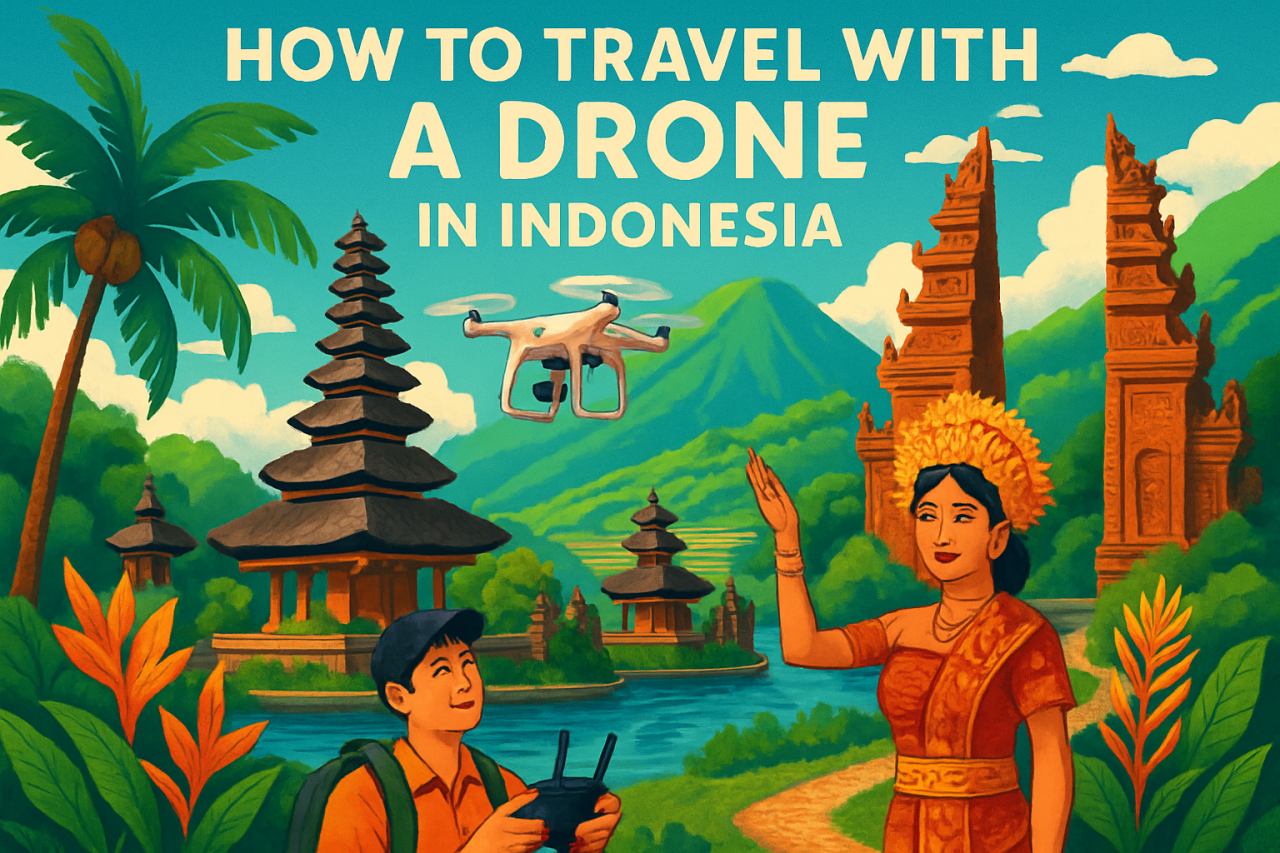
How to Travel With a Drone in Indonesia: A Bali Adventure Guide
If you’re dreaming of capturing Bali’s emerald rice terraces, fiery sunsets, and turquoise coastlines from above, you’re not alone—drones have become the photographer’s passport to Bali’s untamed beauty. But before you soar above the island’s sacred temples and secret beaches, let’s navigate the practicalities, legalities, and local wisdom needed to travel with a drone in Indonesia, all with a pinch of Croatian humor and a dash of Balinese magic.
Drones and Indonesian Law: What Every Traveler Must Know
First things first: flying a drone in Indonesia is allowed… but there are rules, and you’ll want to follow them unless you fancy a stern talking-to (or worse) from local authorities. The Indonesian Directorate General of Civil Aviation (DGCA) has set out clear guidelines:
- Maximum altitude: 150 meters (about 500 feet) above ground level.
- No-fly zones: Around airports, government buildings, and certain temples—more on this soon.
- Drone weight: If your drone weighs over 2kg, you’ll need a permit.
- Insurance: Not mandatory for tourists, but always a smart idea.
- Privacy: Respect people’s privacy (imagine someone buzzing over your beach towel during a siesta on Brač!).
- Commercial use: If you’re planning to sell your drone footage, you’ll need additional permits.
Tip: Carry a printout of the DGCA rules in Bahasa Indonesia. Local police and security guards may appreciate your preparedness.
Bringing Your Drone to Bali: Packing and Airport Tips
As a seasoned traveler, I know there’s nothing worse than a surprise at customs (except maybe losing your flip-flops on Kuta Beach). Here’s how to breeze through:
- Batteries: Carry lithium drone batteries in your hand luggage, not checked bags. Tape over the terminals or use a battery bag.
- Declare your drone: If asked, explain it’s for personal use. Don’t mention “professional filming” unless you have permits.
- Accessories: Keep propellers off and pack all components neatly. Indonesian customs officials are generally friendly, but tidy travelers make good impressions.
Bali’s Best Drone Locations (and How to Respect Local Culture)
Now for the fun part. Bali is a patchwork of jaw-dropping landscapes, each begging for an aerial portrait. But remember: many sites are sacred, and a little respect goes a long way. Here are my top picks, with cultural tips and practical advice:
1. Tegalalang Rice Terrace
With its cascading emerald steps, Tegalalang Rice Terrace is an icon of Ubud—and a drone lover’s dream at sunrise.
- Where: Search “Tegalalang Rice Terrace” on Google Maps.
- Tip: Arrive just after dawn to catch the mist and avoid crowds. Don’t fly too low; farmers and early-morning yoga enthusiasts are not props for your footage.
- Cultural Note: The terraces are a living, breathing farm. If you’re approached by a local, smile, say “terima kasih,” and offer a small donation.
2. Diamond Beach, Nusa Penida
If you like your beaches wild and dramatic, Diamond Beach is your Adriatic fantasy with a tropical twist: sheer limestone cliffs and turquoise waves.
- Where: Search “Diamond Beach Nusa Penida” on Google Maps.
- Tip: The winds can be strong—fly cautiously. Watch out for monkeys (they’re not interested in your drone, but your snacks are another matter).
- Cultural Note: Nusa Penida is home to many sacred sites. Avoid flying over temples or ceremonies.
3. Uluwatu Temple (Pura Luhur Uluwatu)
Perched dramatically above crashing waves, Uluwatu Temple is a sight to behold. But here’s the catch: drones are not allowed inside temple grounds.
- Where: Search “Uluwatu Temple” on Google Maps.
- Tip: For those sweeping coastline shots, fly from the public clifftop areas outside temple property, not over the temple itself.
- Cultural Note: Dress modestly, and if you see a procession, land your drone and soak in the moment. Sometimes the memory is better than the footage.
4. Jatiluwih Rice Terraces
Less crowded and UNESCO-listed, Jatiluwih Rice Terraces offer panoramic views that rival Croatia’s vineyards.
- Where: Search “Jatiluwih Rice Terraces” on Google Maps.
- Tip: The area is vast—bring spare batteries and a polarizing filter to cut through the midday haze.
- Cultural Note: Always greet the farmers with a smile; sharing a joke or story (even with hand gestures) can open doors to unique perspectives.
5. Tanah Lot Temple
One of Bali’s most photographed temples, Tanah Lot sits on a rocky outcrop, surrounded by the sea at high tide.
- Where: Search “Tanah Lot Temple” on Google Maps.
- Tip: Drones are not allowed directly above the temple, but you can capture stunning shoreline views from nearby public areas.
- Cultural Note: Sunset is magical, but also crowded—arrive early and find your spot.
Lesser-Known Gems Off the Beaten Path
Let’s wander where the WiFi is weak and the drone footage is unique. Here are a few under-the-radar spots:
Sidemen Valley
Rolling hills, patchwork fields, and traditional villages—Sidemen Valley is Ubud’s quieter cousin.
- Where: Search “Sidemen Valley” on Google Maps.
- Tip: Early mornings bring golden light and friendly locals tending their fields.
- Cultural Note: Ask before flying near homes or ceremonies; hospitality is big here.
Amed Coast
A fisherman’s paradise with black sand beaches and coral reefs, Amed is perfect for aerial shots of fishing boats at sunrise.
- Where: Search “Amed Beach” on Google Maps.
- Tip: Keep your drone above the shoreline—the local fishermen have enough to worry about without dodging flying gadgets.
Practical Drone Tips for Bali Travelers
- Weather: Bali’s weather can switch from Adriatic blue skies to tropical downpours in minutes. Check forecasts and always land at the first sign of rain.
- Respect wildlife: Bali’s birds and monkeys are curious but unpredictable. Keep your drone at a safe distance.
- Local etiquette: If in doubt, ask. Balinese hospitality is legendary—most locals will appreciate your courtesy and may even suggest better vantage points.
- Leave no trace: Just as you’d never leave plastic on Hvar’s beaches, don’t leave drone parts or garbage behind in Bali.
Final Thoughts: Flying High, Staying Grounded
Traveling with a drone in Bali isn’t just about capturing jaw-dropping footage—it’s about weaving yourself into the island’s tapestry of culture, nature, and community. Whether you’re hovering over the lush terraces of Tegalalang or tracing the cliffs of Uluwatu, remember to fly not just with skill, but with respect and gratitude.
And if you ever find yourself sharing drone stories with a local over a kopi Bali (or a fellow traveler from the Adriatic), you’ll know you’ve captured more than just epic shots—you’ve embraced the spirit of exploration, Croatian style.
Selamat jalan, and may your propellers spin smoothly!
For more Bali travel tips, cultural insights, and off-the-beaten-path adventures, keep exploring—and don’t forget to search those location names on Google Maps for the journey of a lifetime!

Comments (0)
There are no comments here yet, you can be the first!