Exploring the Markets of Denpasar: A Journey Through Bali’s Vibrant Heart
By Satoru
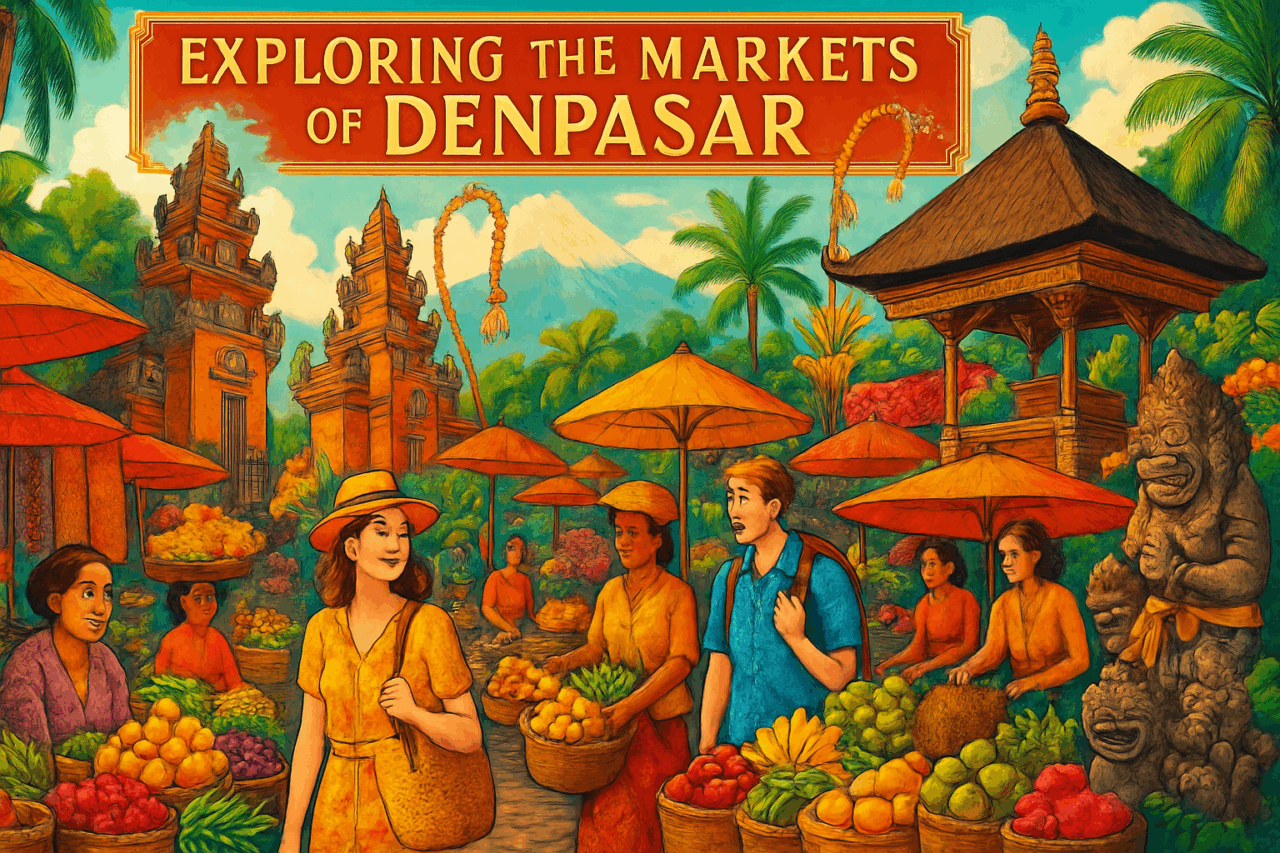
In the gentle embrace of Bali’s morning sun, Denpasar awakens not with the roar of engines, but with the melodic hum of commerce and camaraderie. Here, in the island’s bustling capital, markets are not merely places of trade—they are living galleries, brimming with the colors, fragrances, and sounds that define Balinese daily life. As the Japanese proverb goes, “Ichi-go ichi-e” (一期一会)—each encounter is unique and precious. Wandering through Denpasar’s famed markets, every glance and greeting embodies this spirit, offering travelers a chance to connect, to savor, and to find tranquility amid the lively rhythm of the city.
1. Pasar Badung: The Beating Heart of Denpasar
If Bali is an island of artistry and abundance, Pasar Badung is its grandest stage. As you approach, the scent of incense and ripe mangoes mingles in the warm air, beckoning you inside. This four-story market is the largest traditional marketplace in Bali, a labyrinth of stalls where vendors have displayed their wares for generations. From sunrise until late in the evening, its corridors overflow with tropical fruits, fragrant spices, handwoven baskets, and batik fabrics—each item a testament to the island’s rich heritage.
To experience Pasar Badung at its most authentic, arrive before the heat of midday. Greet the vendors with a gentle “Selamat pagi,” and you may be rewarded with a smile and a story behind their offerings. Watch as local women expertly negotiate for chilies and shallots, their laughter rising like temple bells.
You can search for it on Google Maps by typing: Pasar Badung.
2. Pasar Kumbasari: The Artisan’s Haven
Just across the river from Pasar Badung lies Pasar Kumbasari, a treasure trove for seekers of Balinese crafts. Here, the spirit of “Mono no aware” (物の哀れ)—an appreciation for the ephemeral beauty of things—finds its echo in the delicate wood carvings, vivid paintings, and intricate silverwork that line the stalls.
Unlike the tourist markets of Ubud or Seminyak, Kumbasari caters to locals, and its prices reflect this honesty. Wander through its maze-like alleys, where artisans delicately carve mythological figures from teak and mahogany, or select a piece of hand-dyed batik to bring home the island’s artistry. The top floor offers a panoramic view of the city’s rooftops, a tranquil pause before you rejoin the market’s vibrant flow.
You can search for it on Google Maps by typing: Pasar Kumbasari.
3. Pasar Sindhu: A Culinary Tapestry
If you believe, as I do, that the soul of a place is revealed in its cuisine, then Pasar Sindhu is a portal to Bali’s true self. Located in the coastal neighborhood of Sanur—a short drive from Denpasar’s center—this market hums to the rhythm of sizzling satay and the gentle clatter of woks. In the early morning, stalls brim with fresh vegetables, herbs, and the catch of the day, while by nightfall, the market transforms into a lively food court.
Here, savor the simplicity of “nasi campur” (mixed rice), fragrant with lemongrass and coconut, or indulge in a bowl of “bubur injin,” the sweet black rice pudding beloved by locals. Each dish is a reflection of Bali’s harmonious balance—sweet and spicy, light and nourishing.
You can search for it on Google Maps by typing: Pasar Sindhu Sanur.
4. Pasar Satria: The Flower Market
In Japan, we say, “Flowers are the music of the ground”—and nowhere is this truer than at Pasar Satria, Denpasar’s vibrant flower market. Located on Jalan Diponegoro, this market awakens before dawn, as vendors bring in baskets overflowing with marigolds, jasmine, and frangipani. These blooms are destined for the island’s countless temples and daily offerings (“canang sari”), a reminder of the Balinese devotion to beauty and spirit.
Stroll through rows of blossoms, their colors as vivid as a sunrise over Mount Agung. The air here is perfumed, serene—a quiet sanctuary amid the city’s bustle. Pause to watch the careful crafting of offerings, and you may catch a fleeting glimpse of “wabi-sabi”—the subtle beauty in impermanence and imperfection.
You can search for it on Google Maps by typing: Pasar Satria.
5. A Harmony of Senses and Souls
Each market in Denpasar is a microcosm of Bali itself—rich in tradition, open-hearted, ever-changing. To walk their aisles is to practice “kokoro wo komete,” to journey with heart and intention. As you barter for spices, sample sweet mangoes, or marvel at a carver’s skill, you are not just a visitor; you are a participant in the ancient dance of giving and receiving.
After your explorations, find a moment of reflection at Pura Jagatnatha, Denpasar’s grand temple, where the city’s spiritual life pulses quietly. You can search for it on Google Maps by typing: Pura Jagatnatha Denpasar.
Practical Tips for Visiting Denpasar’s Markets
- Go Early: The freshest produce and most lively atmosphere are found in the early mornings.
- Bring Cash: While some vendors now accept mobile payments, cash is still king in traditional markets.
- Dress Modestly: Out of respect for local customs, cover your shoulders and knees.
- Practice Politeness: A simple greeting and a smile go a long way. Try “terima kasih” (thank you) to brighten someone’s day.
- Bargain Gently: Haggling is expected, but always in good humor—remember, the goal is harmony, not conquest.
In the end, the markets of Denpasar offer more than souvenirs—they offer memories, woven into the very fabric of everyday Balinese life. Like the cherry blossoms that grace Kyoto’s riversides, these moments are fleeting yet unforgettable. Cherish each one, for as we say in Japan, “A journey of a thousand miles begins with a single step—and every step is a story.”
May your path through Denpasar’s markets be filled with wonder, warmth, and the gentle wisdom of the island’s people.

Comments (0)
There are no comments here yet, you can be the first!