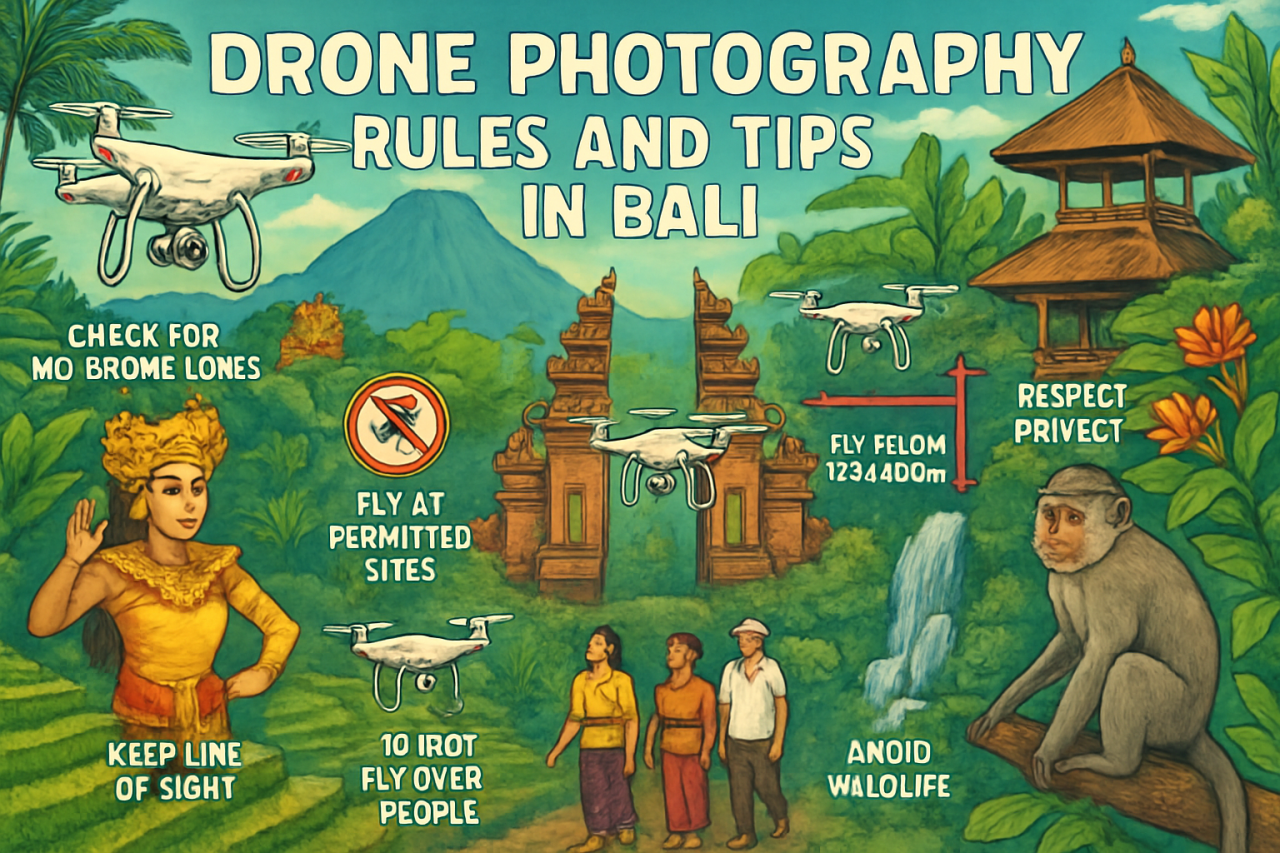
Drone Photography Rules and Tips in Bali: A Traveler’s Guide to Soaring with Respect and Creativity
Bali, the “Island of the Gods,” has long enchanted travelers with its emerald rice terraces, smoking volcanoes, and ancient temples perched above the surf. For drone photographers, the island’s dramatic landscapes and luminous sunsets are an irresistible canvas. Yet, as with any paradise, there are rules and responsibilities that come with capturing Bali’s beauty from the sky. In this guide, inspired by Erdenechuluun’s narrative style, I’ll share essential drone regulations, tips for responsible flying, and lesser-known spots to elevate your aerial storytelling—while honoring the island’s spirit and traditions.
Understanding Drone Regulations in Bali
Before you let your drone take flight above Bali’s rice paddies or coastlines, it’s crucial to understand Indonesia’s drone laws. The Indonesian Directorate General of Civil Aviation (DGCA) regulates drone use, and Bali is no exception. Here are the key rules:
- Maximum Altitude: Drones must not fly higher than 150 meters (approximately 492 feet) above ground level.
-
Distance from Airports: Keep your drone at least 15 kilometers away from any airport. Bali’s main airport is Ngurah Rai International Airport (also known as Denpasar International Airport).
Tip: You can search for it on Google Maps by typing: Ngurah Rai International Airport -
No-Fly Zones: Avoid flying over government buildings, military areas, and temples.
- Permits: For commercial use (including promotional YouTube or Instagram content), you must obtain a permit from the Indonesian DGCA.
- Visual Line of Sight: Always keep your drone within your line of sight.
- Respect Privacy: Do not fly over private property or crowds without permission.
- Insurance and Registration: While not mandatory for tourists with small drones, it is highly recommended to have third-party liability insurance.
For the latest updates, always check with the Indonesian DGCA’s official website before you fly.
Where to Capture Bali’s Magic: Locations and Cultural Considerations
Bali’s landscapes are as diverse as its traditions. Here are some breathtaking spots to capture with your drone, along with notes on cultural etiquette:
1. Tegalalang Rice Terrace
The undulating waves of green at Tegalalang are world-famous, especially at sunrise when the mist clings to the palm trees.
Search for it on Google Maps by typing: Tegalalang Rice Terrace
Drone Tip: Arrive early to catch the soft morning light and avoid crowds. Respect the farmers and avoid flying directly over workers.
2. Pura Luhur Uluwatu
This cliffside temple offers spectacular ocean vistas and dramatic silhouettes at sunset.
Search for it on Google Maps by typing: Pura Luhur Uluwatu
Cultural Note: Drones are generally not permitted within temple grounds. Always ask local staff or priests for permission, and consider filming from public spaces outside the temple’s perimeter.
3. Diamond Beach, Nusa Penida
A hidden gem with chalky cliffs and turquoise waves, perfect for cinematic aerial shots.
Search for it on Google Maps by typing: Diamond Beach Nusa Penida
Drone Tip: The area can be windy; fly with caution and be mindful of birds that frequent the cliffs.
4. Jatiluwih Rice Terraces
A UNESCO World Heritage site, these terraces stretch as far as the eye can see, embodying the Balinese philosophy of “Subak” (traditional irrigation).
Search for it on Google Maps by typing: Jatiluwih Rice Terraces
Sustainability Note: Avoid disturbing the natural flow of the farmers’ work. Support the local community by paying the entrance fee.
5. Campuhan Ridge Walk, Ubud
A lush, elevated path that weaves through jungle and grasslands, offering panoramic views ideal for aerial filming.
Search for it on Google Maps by typing: Campuhan Ridge Walk
Essential Tips for Responsible Drone Photography in Bali
1. Fly with Purpose, Not Just for the Shot
Erdenechuluun often advocates for mindful travel. Ask yourself: What story am I telling? Bali’s beauty is not just in its vistas, but its rhythms—rice farmers at dawn, ceremonies at dusk. Let your drone capture these living narratives without intruding.
2. Respect Local Customs and Ceremonies
Bali’s spiritual life is ever-present. If you see offerings or ceremonies (known as “odalan”), keep your drone grounded. Balinese people deeply value their rituals, and uninvited drones can be seen as disrespectful.
3. Mind the Weather
Bali’s weather can change swiftly. The rainy season (November to March) brings sudden downpours and wind gusts. Early mornings in the dry season (April to October) offer the most reliable flying conditions.
4. Pack Extra Batteries and Filters
Humidity and heat can drain batteries quickly. ND filters help manage the intense tropical light, giving your footage that cinematic quality.
5. Leave No Trace
If you hike to a secluded spot or rice terrace, remember to leave it as you found it. Bali’s fragile ecosystems deserve our care.
Off-the-Beaten-Path: Discovering Hidden Bali
If you yearn for unique footage, venture beyond the Instagram hotspots. Places like the serene Lake Tamblingan, with its misty mornings and floating temples, or the volcanic crater of Mount Batur at sunrise, offer a quieter, more soulful side of Bali.
Search for them on Google Maps by typing: Lake Tamblingan and Mount Batur
Strike up a conversation with locals—often, they’ll guide you to secret waterfalls or little-known beaches where your drone can soar undisturbed.
Final Thoughts: Capturing the Heart of Bali
Drone photography is a powerful way to share Bali’s magnificence, but with that power comes responsibility. Fly with respect for local customs, laws, and the land itself. As Erdenechuluun might say, let your lens be guided not just by beauty, but by wisdom and humility. In doing so, you’ll capture more than images—you’ll capture the true spirit of Bali.
For more cultural insights and travel stories from the heart of Indonesia, keep exploring and let your journey be as meaningful as your memories.
Safe flights, and may your aerial stories inspire respect and wonder for Bali’s living traditions.

Comments (0)
There are no comments here yet, you can be the first!