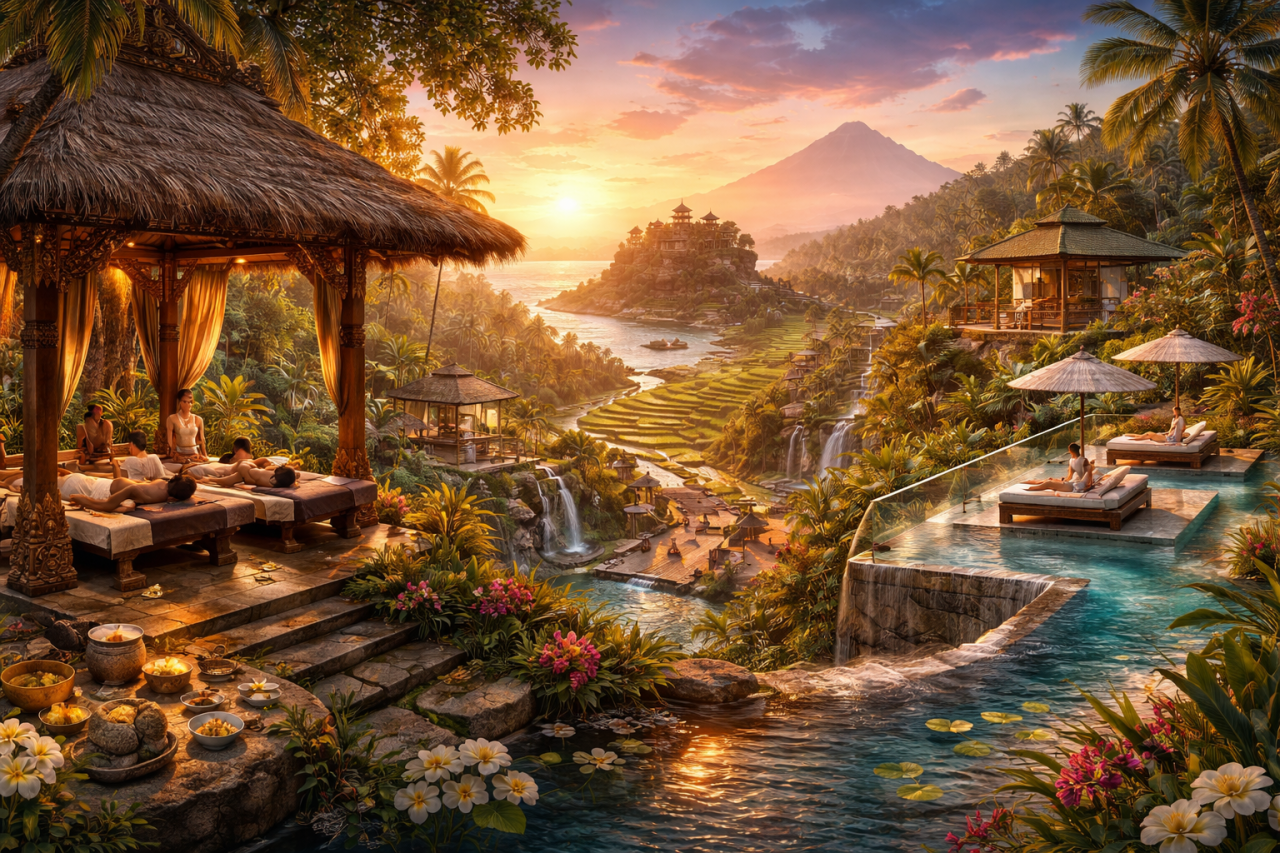
Bali has a way of touching the spirit — not with loud spectacles but through quiet conversations with sea breeze, frangipani, and skilled hands. In the spirit of Erdenechuluun’s travel essays, this guide blends storytelling, cultural context, and practical tips to help you choose a spa retreat that feels like a return to yourself. I focus on sustainable choices, local healing traditions, and lesser-known sanctuaries alongside renowned names, so you can experience Bali beyond the postcard.
Why Bali for a spa retreat in 2026?
Bali’s wellness scene is rooted in tradition: Balinese massage, boreh scrubs, boreh wraps, and jamu herbal tonics remain central to the island’s approach to healing. Since 2019, Bali’s spas have increasingly integrated eco-friendly practices — from zero-waste body scrubs to coral-safe sunscreens — making 2026 an ideal time to seek a retreat that honors both body and place.
Beyond treatments, Balinese spirituality and daily offerings (canang sari) infuse the environment with a gentle reverence. Savor rituals and respect local customs: simple acts like covering shoulders in temple areas or accepting a flower offering gracefully deepen your experience.
How to pick the right retreat
- Consider setting: beachside, jungle, riverside, or rice-terrace. Each offers different soundscapes and rituals.
- Look for local therapies: ask if they offer Balinese massage, lulur, boreh, or jamu consultations.
- Sustainability matters: check for organic products, waste reduction, and community partnerships.
- Complementary activities: yoga, meditation, temple walks, or a visit to local artisans amplify results.
Below are curated spa retreats across Bali, grouped by region and chosen for authenticity, quality, and connection to place.
Ubud and Central Highlands
Ubud embodies Bali’s cultural heart. Expect rice-terrace vistas, morning chants, and spa sanctuaries that often incorporate local herbs and village healers.
Fivelements Retreat (Mambal)
Located near the Ayung River, this wellness sanctuary blends Balinese healing with contemporary wellness programs. Treatments often include plant-based cuisine, traditional Balinese healing, and bespoke ceremonies that honor local offerings and breathwork.
You can search for it on Google Maps by typing: Fivelements Retreat Bali
Why go: deep restorative programs, focus on plant medicine-inspired menus, and river-side serenity.
Karsa Spa (Tegalalang area)
Set near Tegalalang Rice Terrace, smaller community-run spas like Karsa combine village hospitality with traditional treatments. These offer an intimate feel, with therapies inspired by local botanicals.
You can search for it on Google Maps by typing: Karsa Spa Tegalalang
Why go: support local economies, stroll through rice terraces after your massage, and watch village artisans at work.
Seminyak, Canggu and West Coast
If you prefer surf culture, chic cafés, and sunset vibes, Seminyak and Canggu have spas that blend luxury with youthful energy.
Prana Spa (Seminyak)
Prana Spa’s dramatic, temple-like interiors draw on Middle Eastern and Balinese motifs. Treatments are theatrical but grounded in traditional Balinese techniques.
You can search for it on Google Maps by typing: Prana Spa Seminyak
Why go: a sensory, design-forward experience with a menu that includes Balinese massage and exotic scrubs.
The Slow Spa (Canggu)
Canggu’s creative spirit extends into boutique spa options that favor artisanal products and local therapists. The Slow Spa-style venues provide treatments tailored to surfers — restorative massages, scalp treatments, and compression therapies.
You can search for it on Google Maps by typing: The Slow Canggu
Why go: close to surf breaks like Batu Bolong and Echo Beach, easy to pair wellness with waves.
South Bali and Uluwatu
Cliffs, ocean spray, and a slower tempo define Uluwatu and the Bukit Peninsula. Spas here often emphasize ocean-inspired rituals and sunset ceremonies.
Como Shambhala Estate (near Ubud but serves south Bali clients)
While technically near Ubud, COMO Shambhala is a benchmark for integrated wellness — from Ayurvedic treatments to comprehensive fitness and jungle walks. Their approach is clinical yet soulful.
You can search for it on Google Maps by typing: COMO Shambhala Estate
Why go: multidisciplinary health programs, expert therapists, and a deep focus on restoration.
Spa Alila (Uluwatu at Alila Villas Uluwatu)
Perched on limestone cliffs, Alila Villas’ spa offers ocean-facing treatments and relaxation pavilions that catch the sea breeze. Rituals are designed to mirror the rhythms of the shore.
You can search for it on Google Maps by typing: Alila Villas Uluwatu Spa
Why go: dramatic views, sunset treatments, and integration with a low-impact luxury resort ethos.
Nusa Dua and East Coast
For travelers seeking calm lagoons, family-friendly resorts, or luxurious resort spas, Nusa Dua provides pristine beaches and professional wellness centers.
Spa at The Mulia (Nusa Dua)
The Mulia’s spa is lavish, offering long treatment menus with specialized body therapies and facials. High standards, extensive menus, and attentive service define this option.
You can search for it on Google Maps by typing: The Mulia, Bali
Why go: upscale facilities, ideal for travelers combining beach time with indulgent spa days.
Lesser-known sanctuaries and community-based spas
For travelers inspired by cultural immersion and local economies, these smaller places offer meaningful exchanges and authentic healing.
Desa Seni Spa (Canggu)
Desa Seni is a village-style boutique resort that emphasizes Indonesian crafts and sustainable hospitality. Their spa uses traditional recipes and offers lulur and boreh treatments crafted from local ingredients.
You can search for it on Google Maps by typing: Desa Seni Canggu
Why go: supports local artisans, intimate atmosphere, and a strong emphasis on Indonesian heritage.
Local Banjar Spas and Pusaka Healers (village practitioners)
Beyond formal spas, many banjars (local community groups) and certified traditional healers offer treatments rooted in indigenous knowledge. These sessions can include herbal compresses, energy work, and ancestral rituals.
Tip: Ask your guesthouse host, local guide, or a trusted spa for referrals, and make sure practitioners are recognized by local health or tourism authorities.
A sample 3-day spa itinerary (Ubud-style)
Day 1: Arrival and gentle grounding
– Morning: Light stroll through Campuhan Ridge Walk, breathe deeply, and notice temple offerings.
– Afternoon: Balinese massage (90 minutes) focusing on circulation and muscle release.
– Evening: Jamu herbal tonic and an early night.
Day 2: Ritual and renewal
– Morning: Yoga or breathwork by the rice terraces.
– Midday: Lulur body scrub followed by a rose-petal bath.
– Afternoon: Gentle facial using locally sourced oils and a short workshop on Balinese offerings.
Day 3: Integration and local immersion
– Morning: Visit a neighborhood spa for a boreh heat wrap and herbal compress.
– Afternoon: Walk through Ubud Market or visit Pura Taman Saraswati and observe daily rituals.
– Evening: Sunset reflection and packing with an invitation to travel more slowly.
Practical tips for a respectful spa experience in Bali
- Book in advance, especially during high season (July–August and December–January).
- Arrive 15–30 minutes early to enjoy herbal teas and to let therapists understand your needs.
- Communicate health issues: pregnancy, recent surgeries, or skin sensitivities.
- Tipping: modest but appreciated; many high-end spas include service charges, so check your bill.
- Dress and etiquette: modesty in temple visits; remove shoes where requested; accept small offerings respectfully.
Sustainable and cultural-minded choices
Choose spas that:
– Use locally sourced, organic products and avoid microplastic scrubs.
– Partner with village cooperatives or source aromatic ingredients from local farmers.
– Offer training and fair wages to Balinese therapists.
When possible, visit local temples with respect and time your visits outside major ceremonies if you prefer quieter observations. For example, if you plan to visit Pura Taman Saraswati in Ubud, wear a sarong and sash (often available to rent or borrow) and follow the temple’s guidance for visitors. You can search for it on Google Maps by typing: Pura Taman Saraswati Ubud
Final reflections: spa as cultural exchange
A Balinese spa retreat is more than pampering; it is an invitation to learn how a culture cares for body and community. Like the Mongolian custom of offering tea and conversation, Balinese hospitality includes small gestures — a hand on yours during a greeting, the scent of frangipani tucked behind an ear, the placement of a canang sari at dawn. Embrace these details, and your retreat becomes a story you carry forward.
Travel slowly, choose ethically, and let Bali’s healers and landscapes meet you halfway. May your next visit be restorative, sustained by local wisdom and the island’s enduring grace.

Comments (0)
There are no comments here yet, you can be the first!