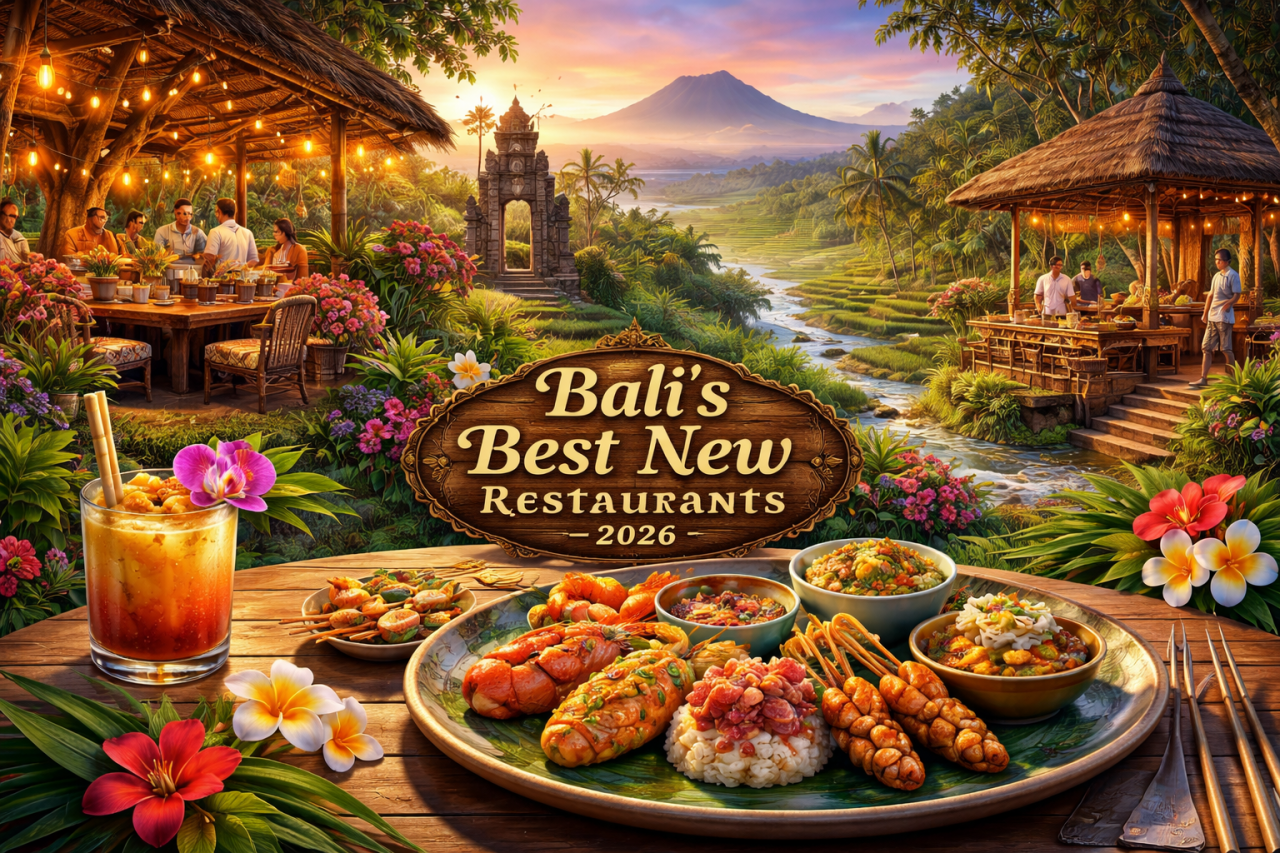
Bali in 2026 is a mosaic of light, rain, and jasmine-scented evenings — a place where seasons arrive like old friends. For those of us traveling in midlife, food becomes both anchor and adventure: a way to connect with place, memory, and the quiet joy of discovery. As an old Japanese proverb says, “Fall seven times, stand up eight” — every meal offers a chance to rise into new taste and understanding. Below are Bali’s most notable new restaurants of 2026, selected for culinary excellence, cultural sensitivity, and the feeling of slow, meaningful travel.
How I chose these restaurants
I considered culinary innovation, respect for local ingredients, ambience, and the stories behind each kitchen. I visited personally where possible, spoke with chefs and local producers, and returned to the places that felt like a peaceful conversation rather than a hurried performance. Each recommendation includes practical notes, location tips, and a cultural touchpoint to deepen the experience.
1. Daya Sawah — Ubud’s Ricefield Tasting Room
Daya Sawah sits on the edge of terraced rice paddies, offering a modern tasting menu rooted in Balinese produce and slow fermentation techniques. The dining room frames river valleys like a living scroll, and at dusk the staff lights lanterns — small moons swinging to greet the evening.
- Cuisine: Modern Balinese tasting menu with emphasis on heirloom rice, tempeh variations, and fermentations.
- Ambience: Intimate, restrained interiors with open views of rice terraces.
- Tip: Choose the chef’s extended menu to sample preserved sambals and peka-style roasted vegetables.
- Location: You can search for it on Google Maps by typing: Daya Sawah, Ubud
Cultural note: The restaurant collaborates with local subak (traditional irrigation cooperatives) to source rice varieties that carry ancestral stories. As a Japanese proverb reflects, “Mizu no kokoro” — water’s heart — the rhythm of irrigation shapes both land and life.
2. Kura Kura Omakase — Seminyak
Kura Kura Omakase brings restrained Edomae techniques to Bali produce, pairing tuna lanterns and volcanic-ash salt with tropical flowers. It’s a rare example of trans-Pacific dialogue: Japanese precision meeting Indonesian abundance.
- Cuisine: Omakase sushi with seasonal Balinese fish and island herbs.
- Ambience: Minimalist, wood-paneled bar seating encourages quiet observation.
- Tip: Book the counter for a full omakase narrative; ask about fish conservation sourcing practices.
- Location: You can search for it on Google Maps by typing: Kura Kura Omakase, Seminyak
Cultural note: In the spirit of “Ichigo ichie” (one time, one encounter), each course is designed as a singular moment — savor it slowly.
3. Taman Langit — Canggu Cliffside Garden Dining
Perched above surf breaks, Taman Langit offers elevated plant-forward plates and a citrus-forward cocktail program. The menu highlights small local farms that have embraced regenerative practices.
- Cuisine: Contemporary garden-to-table, with fermented fruit sauces and wood-fired roots.
- Ambience: Open-air terraces with Pacific views; gentle live instruments on weekend evenings.
- Tip: Arrive before sunset to watch the changing light; request a table on the lower terrace for calmer sea breezes.
- Location: You can search for it on Google Maps by typing: Taman Langit, Canggu
Cultural note: The restaurant’s name means “sky garden”; in Balinese and Japanese sensibilities, the sky and earth converse — listen for that dialogue in the flavors.
4. Warung Sari Kencana — Sidemen (A True Village Revival)
Warung Sari Kencana is less a white-tablecloth destination and more a lovingly curated village warung that elevates the everyday. Dishes are handcrafted by local women using mountain herbs and smoked fish from East Bali.
- Cuisine: Traditional Balinese home cooking with elevated technique — lawar, ayam betutu, and crispy tempe.
- Ambience: Open kitchen under alang-alang thatch; family-style tables.
- Tip: Take a morning walk through nearby rice terraces, then return for a late lunch when the kitchen fires bloom.
- Location: You can search for it on Google Maps by typing: Warung Sari Kencana, Sidemen
Cultural note: The warung’s philosophy honors community reciprocity; dining here feels like participating in a local ceremony of sustenance.
5. Batu Laut — Jimbaran Reimagined Seafood House
Batu Laut reinterprets Jimbaran’s famed seafood culture with charcoal mastery and a refined plating aesthetic. The chefs smoke fish over coconut husk and finish with sea salt aged in lava rock.
- Cuisine: Charcoal and smoke-forward seafood, sharing plates for two or more.
- Ambience: Beachfront simplicity with woven lanterns and low, comfortable seating.
- Tip: Go at low tide to enjoy a longer shoreline stroll before dinner; request a mild-smoke preparation if you prefer subtlety.
- Location: You can search for it on Google Maps by typing: Batu Laut, Jimbaran
Cultural note: Fish drying and smoking are ancient practices across the archipelago; here they are treated with a craftsman’s respect.
6. Rumah Rempah — Sanur Spice House and Cooking Studio
More than a restaurant, Rumah Rempah is a living spice library. Meals are paired with intimate demonstrations about clove, turmeric, and wild pepper varieties indigenous to the region.
- Cuisine: Spice-forward tasting plates and hands-on cooking classes focused on heritage techniques.
- Ambience: Tropical garden rooms with shelves of labeled spices and hand-drawn notes.
- Tip: Combine a morning spice walk with the market-to-table lunch for the most immersive experience.
- Location: You can search for it on Google Maps by typing: Rumah Rempah, Sanur
Cultural note: The kitchen honors the medicinal virtues of spices, echoing old Asian adages about food as both medicine and memory.
7. Leif & Lontar — Nusa Dua Sustainable Fine Dining
Leif & Lontar juxtaposes Scandinavian restraint with Balinese warmth. Expect tasting menus that highlight coconut in surprising roles, from broth clarifications to charred cream.
- Cuisine: Nordic-Balinese fusion with focus on sustainability and low-waste practices.
- Ambience: Calm, airy dining room that prioritizes daylight and quiet conversation.
- Tip: Request the wine or tea pairing that emphasizes regional producers and artisanal kombuchas.
- Location: You can search for it on Google Maps by typing: Leif & Lontar, Nusa Dua
Cultural note: The design ethos mirrors “wabi-sabi” — beauty in imperfection — in both plating and materials.
Practical travel notes and dining etiquette in Bali
- Reservations: Many of these venues are small; book in advance, especially for omakase counters and tasting menus.
- Dress: Bali’s style varies by setting. For beachfront restaurants, resort-casual is fine; for refined tasting rooms, smart-casual is respectful.
- Cultural respect: If dining near temples or in village settings, observe local customs: modest clothing, quiet conversation during ceremonies, and polite deference to household shrines.
- Tipping: Tipping is appreciated but not obligatory. Many places include a service charge; check your bill.
A food pilgrimage rhythm
Traveling slowly, as the proverb suggests — better to savor than to rush — allows you to notice small gifts: a child carrying jasmine across a path, a fisherman repairing nets at dawn, the warm greeting of a server who remembers your name. Each restaurant on this list is a doorway to those moments.
Bali’s culinary scene in 2026 is both rooted and restless: it honors ancestry while leaning into global conversations. For travelers in midlife, these meals offer nourishing pleasure, cultural insight, and the kind of quiet transformation that feels like coming home to a part of yourself you had forgotten.
May your table be a place of calm discovery. You can search for each place on Google Maps by typing the restaurant name provided above. Safe travels, and remember the old proverb: “The journey of a thousand miles begins with a single step” — and perhaps with one exquisite bite.

Comments (0)
There are no comments here yet, you can be the first!