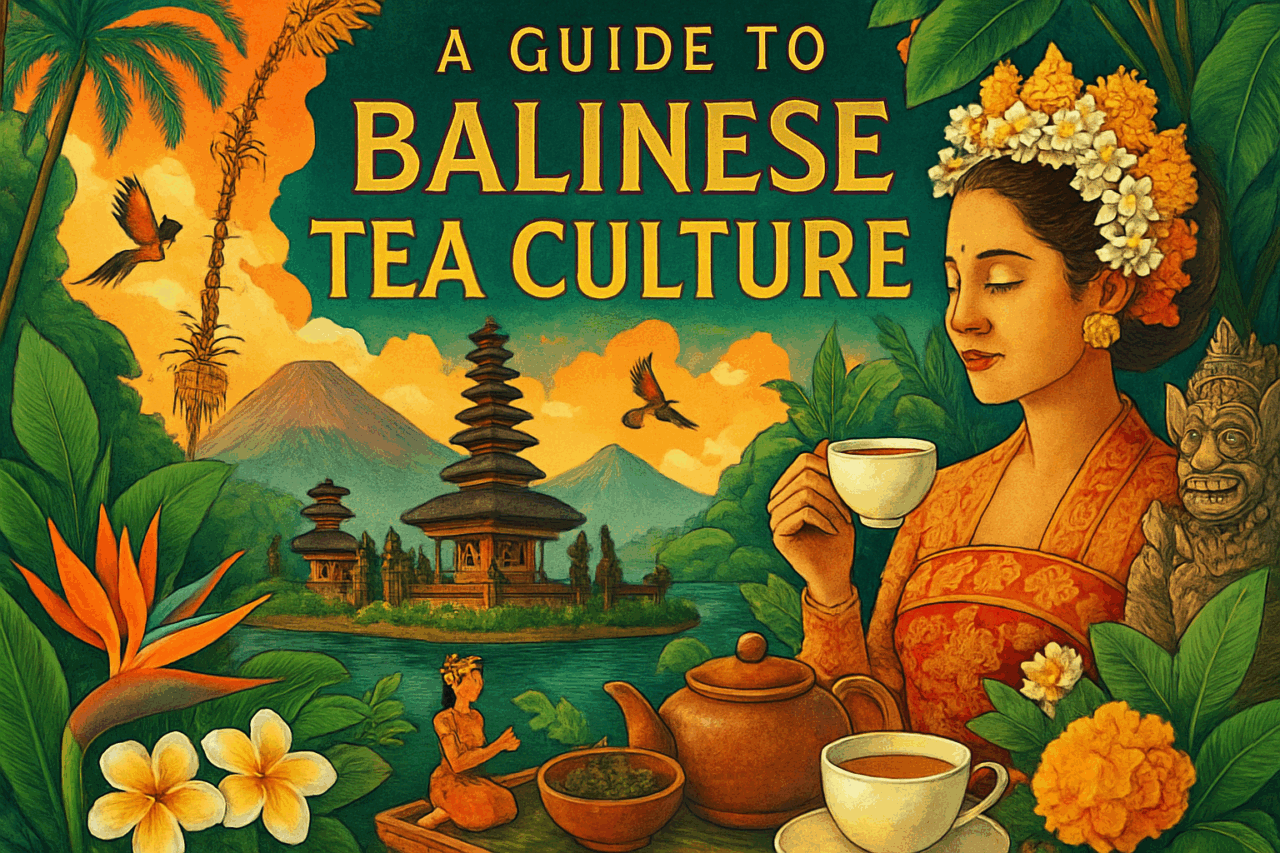
A Guide to Balinese Tea Culture: Savoring Serenity on the Island of the Gods
In Bali, where the morning sun gilds emerald rice terraces and incense curls skyward in fragrant whispers, tea is not merely a beverage—it is a gentle ritual, an invitation to pause and listen to the island’s ancient heartbeat. To drink tea in Bali is to surrender, for a moment, to the slow, deliberate pace of island life, where time unfurls like a frangipani blossom and every cup tells a story as old as the volcanoes that guard this land.
Let’s follow the steam rising from the teacup, and wander together through the heart of Balinese tea culture, where tradition, nature, and community brew a uniquely tranquil experience.
The Landscape of Tea: From Volcanoes to Verdant Valleys
While Indonesia is famed for its coffee, Bali’s tea culture is a quieter melody—subtle, harmonious, and deeply rooted in the island’s lush terroir. The highlands of Bali, particularly around the misty slopes of Mount Batur and Mount Agung, provide the cool, humid climate that tea plants adore.
One of the best places to witness this leafy magic is the Bali Pulina Agro Tourism, nestled near the village of Tegallalang. Here, you can wander through tea and coffee plantations with a local guide, learning how the leaves are handpicked and dried in the tropical sun. The view: cascading terraces, a green so vivid it’s almost otherworldly. You can search for it on Google Maps by typing: Bali Pulina Agro Tourism.
Even if you’re just passing through the iconic Tegallalang Rice Terraces, the scent of fresh tea leaves mingles with the earthy breath of wet soil—a sensory symphony that lingers long after you’ve left.
A Balinese Tea Table: Flavors, Fragrances, and Folklore
Balinese tea is, much like the island itself, a tapestry of influences. The most common varieties are black and green teas, often infused with native herbs and spices—lemongrass, ginger, pandan, and the elusive bunga telang (butterfly pea flower), which tints the tea an enchanting blue.
Order a cup of “teh manis” (sweet tea) at a local warung, and you’ll find it served in thick, sturdy glasses, sweetened with palm sugar and sometimes accompanied by a slice of lime. It’s the kind of drink that tastes best with your feet in the sand at Echo Beach, or while gazing at the sunset from the clifftop lawns of Uluwatu Temple.
For the curious, try the herbal “wedang jahe” (ginger tea), a fiery concoction beloved for its medicinal warmth. This is Bali’s answer to a rainy afternoon or a weary traveler’s aches, and it’s best enjoyed at one of Ubud’s tranquil cafés, such as Clear Café Ubud. You can search for it on Google Maps by typing: Clear Cafe Ubud.
Ceremony and Community: Tea as a Balinese Offering
Tea is interwoven with Bali’s spiritual life. In the daily ritual of canang sari—the delicate offerings of flowers and food placed at temple doorways—tea sometimes finds its place beside fragrant rice and incense. It’s a gesture of gratitude to the gods, and a reminder that the simplest pleasures can be sacred.
If you have the fortune to be invited into a Balinese home, accept the cup of tea offered with both hands—a sign of respect and shared hospitality. There’s a quiet beauty in this exchange: the warmth of the cup, the laughter echoing across the courtyard, the unspoken understanding that here, in Bali, time is best measured in sips, not seconds.
Where to Savor the Best Tea Experiences in Bali
-
Bali Pulina Agro Tourism (near Tegallalang): A must-visit for immersive plantation tours and tastings. You can search for it on Google Maps by typing: Bali Pulina Agro Tourism.
-
Seniman Coffee Studio: Despite the name, Seniman is also revered for its artisanal teas and creative infusions. You can search for it on Google Maps by typing: Seniman Coffee Studio.
-
Bebek Tepi Sawah Restaurant & Villas: Set beside rice paddies in Ubud, this iconic spot offers traditional Balinese snacks with locally brewed teas. You can search for it on Google Maps by typing: Bebek Tepi Sawah Restaurant.
-
Bali Asli: In the shadow of Mount Agung in Karangasem, indulge in a high-tea experience with sweeping volcano views. You can search for it on Google Maps by typing: Bali Asli.
Sustainable Sips: Supporting Local, Treading Lightly
As you wander the tea trails of Bali, remember—sustainability is not a trend here, but a tradition. Many family-owned plantations eschew chemical pesticides and champion organic growing methods, honoring the land that nourishes both leaf and soul.
Bring a reusable cup for takeaways, and opt for locally produced teas rather than imported blends. In doing so, you become part of the island’s quiet revolution: a movement to preserve both culture and nature, one cup at a time.
The Final Sip: An Invitation to Slow Down
Perhaps the greatest lesson Balinese tea culture offers is the art of slowing down. In a world that rushes headlong into tomorrow, Bali whispers—stay awhile. Watch the clouds drift over terraced hills. Share a pot of tea with strangers who may become friends. Let the island’s gentle rhythm steep into your bones.
For in Bali, tea is more than a drink. It is a bridge between past and present, a celebration of community, and—if you listen closely—a soft-spoken ode to the magic of the everyday.
So next time you find yourself on this storied island, let your journey be measured not in miles, but in teacups. Selamat minum! (Happy drinking!)
Practical Tips for Tea Lovers Visiting Bali
- Dress modestly if you’re attending a temple ceremony or entering a family compound for tea.
- Don’t miss the morning markets in Ubud or Gianyar, where you can buy loose-leaf Balinese teas to take home.
- Learn a few words of Bahasa Indonesia: “Teh” (tea), “teh panas” (hot tea), “teh es” (iced tea), “tanpa gula” (without sugar).
- Savor tea slowly. In Bali, there is no need to rush—each cup is an invitation to linger.
May your Bali adventure be steeped in discovery and serenity, one fragrant cup at a time.

Comments (0)
There are no comments here yet, you can be the first!