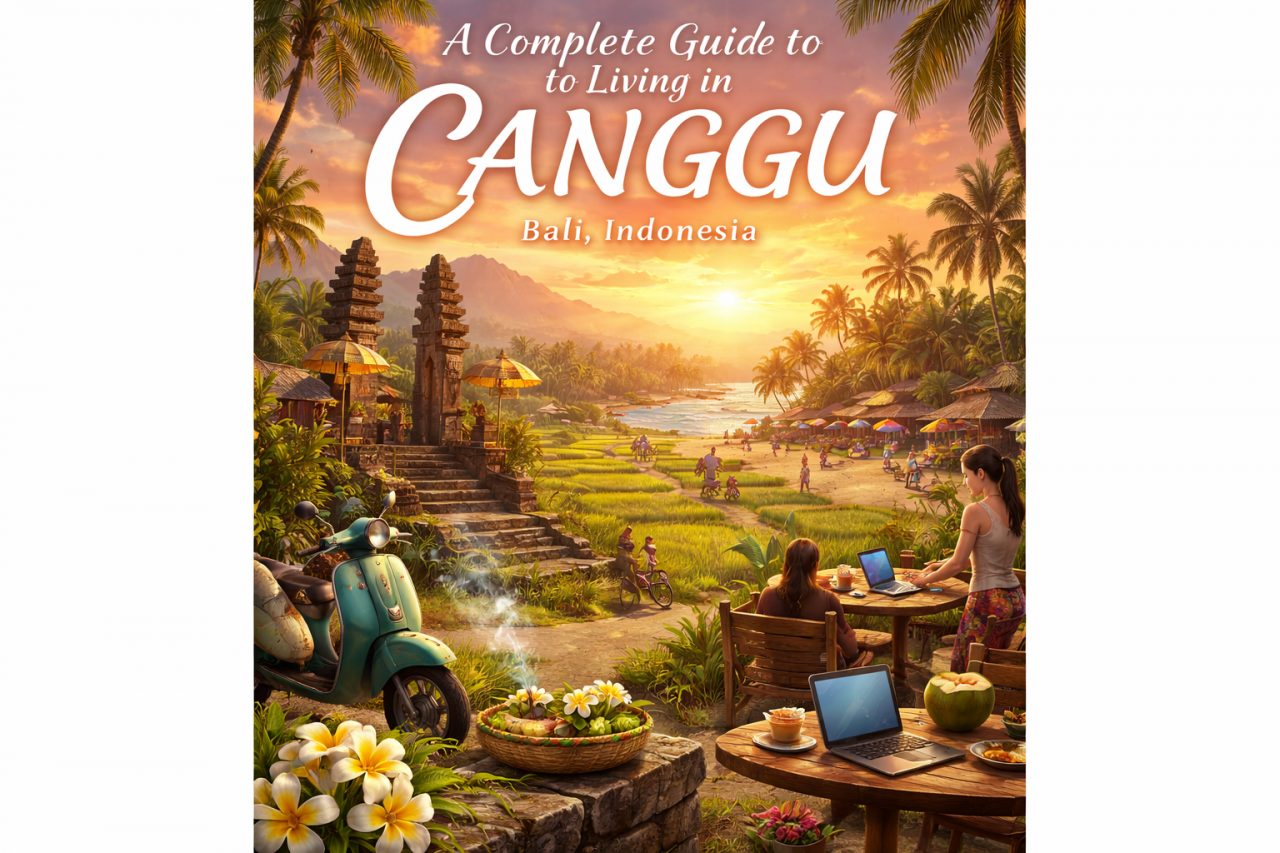
Canggu is a place where coconut palms sway like lines of a haiku, and the sea repeats its verses with patient rhythm. Nestled on Bali’s southwestern coast, Canggu offers a handcrafted balance of surf culture and serene retreats, making it a compelling choice for midlife travelers seeking renewal. As an epitome of “less is more”—a sentiment echoed by the Japanese proverb mono no aware—this guide aims to be both practical and poetic, giving you the tools to live well in Canggu while honoring its subtle beauty.
Why Choose Canggu?
Canggu blends the accessibility of a modern town with the intimacy of a village. From black-sand beaches to rice-field pathways, the area has become a magnet for digital nomads, retirees, and families who crave a slower pace without sacrificing conveniences.
- Laid-back surf culture and consistent waves make it attractive for surfers of all levels.
- A thriving wellness scene—yoga studios, organic cafes, and holistic clinics—provides nourishment for body and spirit.
- Good infrastructure for remote work, including coworking spaces and reliable cafés with Wi-Fi.
Like the Japanese saying ichi-go ichi-e—”one time, one meeting”—Canggu invites you to savor each day as a unique encounter.
Best Neighborhoods to Live In
Canggu is not a single uniform place; it’s composed of pockets with distinct personalities. Choosing the right neighborhood depends on the lifestyle you seek.
- Batu Bolong: Central and lively, ideal for those who want nightlife and cafés within walking distance.
- Berawa: Slightly upscale, close to family-friendly beaches and a calmer atmosphere at night.
- Pererenan: Quieter and greener, favored by those who want rice-field views and a slower rhythm.
- Echo Beach (Pantai Batu Mejan): More surf-oriented with dramatic black sand and evening sunsets.
You can search for these neighborhoods on Google Maps by typing: Batu Bolong, Berawa, Pererenan, Echo Beach (Pantai Batu Mejan).
Practicalities: Visas, Healthcare, and Banking
Long-term stays require planning. Indonesia’s visa rules change periodically, so always check official sources.
- Visa: Many expats start with a tourist visa and later apply for a social-cultural visa (B-211) or a KITAS through local agents. Confirm current rules via the Indonesian Directorate General of Immigration.
- Healthcare: For everyday needs, there are international clinics in nearby Seminyak and Denpasar. For major procedures, consider hospitals such as Siloam Hospitals Bali in Kuta or Bali Royal Hospital.
- Banking and Money: ATMs are plentiful, but carry some cash for local markets. Opening a local bank account usually requires a KITAS; many expats manage with international bank transfers and fintech apps.
Treat these steps like tending a garden: regular care prevents storms from uprooting your plans.
Where to Eat and Drink
Canggu’s culinary scene is eclectic—farm-to-table cafés sit beside lively warungs. The tone here is casual yet refined, with many places catering to health-conscious palates.
- Crate Cafe (Canggu) is famous for breakfast bowls and a lively atmosphere. You can search for it on Google Maps by typing: Crate Cafe Canggu.
- The Shady Shack (Batu Bolong) offers plant-based dishes with rice-field views. You can search for it on Google Maps by typing: The Shady Shack.
- Warung Dandelion (nearby in Ubud-style settings) and local beachfront warungs serve authentic Balinese flavors; look for “warung” signs and inquire about daily specials.
Dining in Canggu often becomes a ritual—slow, communal, and flavored with conversation.
Surf, Yoga, and Wellness
Movement here is both exercise and meditation. Surfing is woven into daily life, while yoga studios offer quiet sanctuaries.
- Surf spots: Batu Bolong Beach (Pantai Batu Bolong) and Echo Beach (Pantai Batu Mejan) are notable surf points. You can search for them on Google Maps by typing: Batu Bolong Beach and Echo Beach (Pantai Batu Mejan).
- Yoga studios: Practice ranges from restorative sessions to vigorous flows. Studios often provide community classes and workshops for midlife practitioners seeking mindful movement.
- Wellness: Massage, acupuncture, and traditional Balinese healing are widely available. Research practitioners by reviews and ask for certifications where needed.
As the proverb ana o yori—“better to see once than hear a hundred times”—you’ll find that trying a sunrise surf or a silent yoga class teaches more than any description.
Housing: Villas, Guesthouses, and Long-Term Rentals
Canggu offers everything from boutique guesthouses to luxurious private villas. Decide what matters most: proximity to the beach, quiet rice-field views, or access to cafés and coworking.
- Villas: Many come fully staffed with weekly rates, attractive for those who prefer privacy and convenience.
- Guesthouses and homestays: Lower cost and a chance to mingle with local hosts.
- Long-term rentals: Negotiate six-month or yearly contracts for better rates. Be clear about utilities, maintenance, and internet provision.
Inspect properties personally and ask neighbors about any seasonal issues—rainy season humidity and occasional mosquitoes are realities to plan for.
Getting Around
Canggu’s compact size makes it easy to explore, but transport choices shape your daily life.
- Motorbike: The most common local transport. Rent or buy a motorbike if you’re comfortable driving in Bali traffic. Always wear a helmet and carry an international driving permit or local equivalent.
- Car hire and drivers: Useful for families or trips around the island. Hiring a driver for day trips is affordable and less stressful.
- Ride-hailing apps: Services like Gojek and Grab operate in Canggu for short trips and deliveries.
- Cycling and walking: Many lanes and rice-field paths are pleasant for short journeys at a slower pace.
Safety is paramount: drive defensively, and avoid riding at night on unfamiliar roads.
Day Trips and Nearby Attractions
Canggu’s location makes it a convenient base for exploring southern Bali and beyond.
- Tanah Lot Temple (Pura Tanah Lot): A stunning sea temple ideal for sunset visits. You can search for it on Google Maps by typing: Pura Tanah Lot.
- Seminyak: Upscale shopping and dining are a short drive away.
- Ubud: For rice terraces, art, and deeper cultural experiences, plan a day or overnight trip by private car or shuttle.
Travel with curiosity and respect; many Balinese sites are active places of worship with dress codes and etiquette.
Cultural Etiquette and Local Life
Living in Bali is a dialogue, not a takeover. Embracing local customs fosters mutual respect and deeper experiences.
- Dress modestly at temples and perform appropriate offerings or wear a sarong when required.
- Learn basic Indonesian phrases—”terima kasih” (thank you) and “selamat pagi” (good morning) go a long way.
- Participate in local ceremonies if invited; these moments create meaningful connections.
- Support local businesses—warungs, artisans, and markets benefit from thoughtful patronage.
A Japanese proverb—oshidori no kawari ni nagare mo shiranu—reminds us that even expected patterns may change; be ready to adapt with humility and grace.
Costs of Living and Budgeting
Canggu sits in a mid-range cost bracket compared with other Bali locales. Your budget will vary greatly depending on lifestyle choices.
- Basic local meals at warungs are inexpensive; western-style cafés and imported goods raise costs.
- Accommodation is usually the largest expense. Villas with staff command higher prices, while guesthouses and long-term rentals can be very affordable.
- Factor in health insurance, visa fees, transport, and activities when calculating monthly costs.
Many find that a balanced lifestyle—mixing local experiences with occasional comforts—yields the most satisfaction.
Practical Tips for a Harmonious Stay
- Internet: Choose housing with reliable fiber or mobile backup. Test speeds before signing long-term leases.
- Laundry: Many local services offer pickup and delivery; mark delicate items clearly.
- Weather: The dry season (April–October) is sunnier and more comfortable, while the wet season (November–March) brings short heavy rains and verdant landscapes.
- Community: Join local Facebook groups or expatriate communities for real-time advice and social events.
Remember the proverb shoshin—”beginner’s mind”—and approach Canggu with openness; the island reveals its depth to those who remain receptive.
Final Thoughts
Canggu is a place of gentle contradictions: vibrant yet tranquil, modern yet rooted in tradition. Living here invites a rhythm that resembles one of Satoru’s favorite images—the quiet morning path through rice paddies, dew catching the first light, a distant gong announcing the day. Midlife is a season of refined choices; in Canggu you can find a life crafted with intention, where each sunrise feels like a reminder to live more fully.
For specific locations mentioned above, you can search for them on Google Maps by typing their full names: Batu Bolong Beach, Echo Beach (Pantai Batu Mejan), Crate Cafe Canggu, The Shady Shack, Pura Tanah Lot, and Siloam Hospitals Bali. These searches will help you plan visits and get precise directions.
May your time in Canggu be like a well-brewed cup of tea—warm, calm, and enlivening.
Comments (0)
There are no comments here yet, you can be the first!