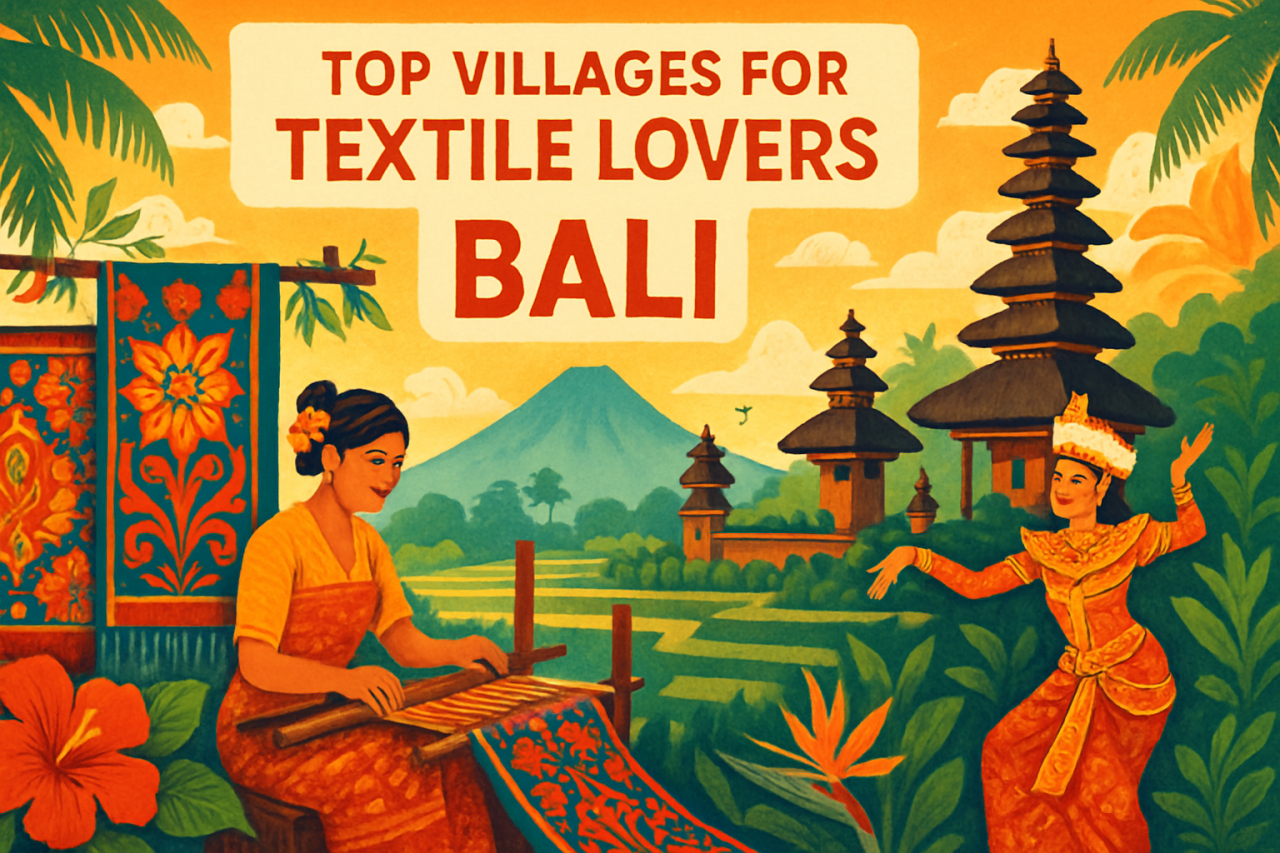
Top Villages for Textile Lovers in Bali: Weaving Through Threads of Tradition
Bali’s landscapes are a canvas painted with rice terraces, volcanic peaks, and sweeping coastlines. But for those who venture beyond the beaches and temples, a different tapestry awaits—one woven from centuries-old textile traditions. As a traveler with a passion for cultural immersion, I invite you to wander Bali’s most vibrant villages, where every thread tells a story and the rhythm of the loom is the heartbeat of the community.
Whether you are a seasoned textile enthusiast or an intrigued newcomer, these villages offer a window into Bali’s soulful artistry. Here’s your guide to the island’s top textile destinations—each a living gallery where heritage and creativity intertwine.
1. Tenganan Pegringsingan: Preserving the Double Ikat Legacy
Nestled in the lush hills of East Bali, Tenganan Pegringsingan is a village unlike any other—a stronghold of Bali Aga culture, where ancient customs persist and the air hums with the sounds of craftsmanship.
Why visit? Tenganan is renowned as the only place in Indonesia where the highly complex geringsing double ikat is produced. The process demands months—sometimes years—of meticulous dyeing and weaving, resulting in cloths believed to possess magical protective powers.
Don’t Miss:
– Watching local women deftly work their looms in open-air pavilions.
– The annual Mekare-kare festival, where warriors in hand-woven textiles duel with pandanus leaves.
– Purchasing authentic geringsing directly from the weavers (a true collector’s piece).
How to get there:
You can search for it on Google Maps by typing: Tenganan Pegringsingan
2. Sidemen: The Valley of Songket and Endek
In the emerald folds of Karangasem Regency, the tranquil village of Sidemen is a dreamscape of terraced hills and bamboo groves. Here, the gentle clack of handlooms accompanies the river’s murmur, as entire families dedicate themselves to the art of weaving.
Why visit? Sidemen is famed for its vibrant songket (brocade with gold or silver threads) and endek (ikat cloth). The village’s textiles are a staple for Balinese ceremonies and have become sought-after by designers worldwide.
Don’t Miss:
– Visiting small home workshops, where you can try your hand at weaving.
– Strolling the morning market for locally made sarongs and scarves.
– Sipping coffee at Warung Organic Sidemen while overlooking the valley’s patchwork of rice fields.
How to get there:
You can search for it on Google Maps by typing: Sidemen, Karangasem
3. Gianyar: Home of Batik Artistry
A short drive from Ubud, the bustling regency of Gianyar is the epicenter of Bali’s batik revival. Here, artisans blend ancient techniques with contemporary motifs, resulting in wearable works of art.
Why visit? Unlike the more commercialized batik found in Java, Gianyar’s batik studios pride themselves on hand-drawn (batik tulis) and stamped (batik cap) creations. The intricate patterns often tell stories of Balinese folklore and daily life.
Don’t Miss:
– Touring Batik Popiler 2 or Bali Batik Handicrafts to see the wax-resist process in action.
– Shopping for unique batik shirts, dresses, and wall hangings.
– Exploring nearby Goa Gajah (Elephant Cave) for a blend of history and artistry.
How to get there:
You can search for it on Google Maps by typing: Batik Popiler 2, Gianyar
You can search for it on Google Maps by typing: Bali Batik Handicrafts, Gianyar
4. Penglipuran: Bamboo Beauty and Traditional Dress
Penglipuran Village is often celebrated as one of Bali’s cleanest and most picturesque villages, with its orderly bamboo-lined streets and time-honored architecture. But beyond its visual charm, Penglipuran is a hub of traditional textile culture.
Why visit? The villagers take immense pride in their ceremonial attire, hand-woven from locally sourced fibers. During temple festivals, the streets bloom with a parade of colorful sarongs and sashes, each signifying status and occasion.
Don’t Miss:
– Witnessing the preparation of ceremonial outfits for Galungan and Kuningan festivals.
– Learning about natural dyes made from indigenous plants.
– Sampling local cakes at the village entrance.
How to get there:
You can search for it on Google Maps by typing: Penglipuran Village
5. Klungkung: The Heart of Kain Endek
The historic town of Klungkung is not just a seat of Bali’s royal past; it is also a thriving center for kain endek—a unique ikat tradition defined by its bold colors and dynamic patterns.
Why visit? Klungkung’s textile markets are a treasure trove for collectors. Here, you can meet artisans who have inherited their skills through generations, and even commission personalized fabrics.
Don’t Miss:
– Exploring the Klungkung Traditional Market for a dizzying array of endek.
– Visiting Kerta Gosa Pavilion, where painted ceilings echo the local love of pattern and motif.
How to get there:
You can search for it on Google Maps by typing: Klungkung Traditional Market
Weaving Connections: Practical Tips for Textile Travelers
- Support Local: Buy directly from weavers or cooperatives to ensure your purchase uplifts the community.
- Learn and Respect: Many villages offer weaving workshops—an enriching way to appreciate the patience and artistry involved.
- Dress Thoughtfully: When visiting villages, dress modestly out of respect for local customs, especially during ceremonial events.
- Sustainable Choices: Opt for naturally dyed and hand-woven textiles when possible, as these are kinder to the environment and help preserve traditional techniques.
Final Threads
To travel Bali through its textiles is to trace the island’s living heritage—where every motif speaks of legends, every pattern whispers of ceremony, and every finished cloth is a testament to the spirit and skill of its makers. Let your journey be guided not only by places but by the hands and hearts behind each woven masterpiece.
Selamat berpetualang—happy adventuring! And may the fabric of Bali’s villages leave you inspired and warmly wrapped in memory.
If you’re ready to start your textile trail, just search for the villages listed above on Google Maps, and let the threads of Bali lead you off the beaten path.

Comments (0)
There are no comments here yet, you can be the first!